

June 18, 2026
Hogsback: An Enchanted Village in the Amathole Mountains
Written by

Ron Mackenzie
Chief Wandering Officer
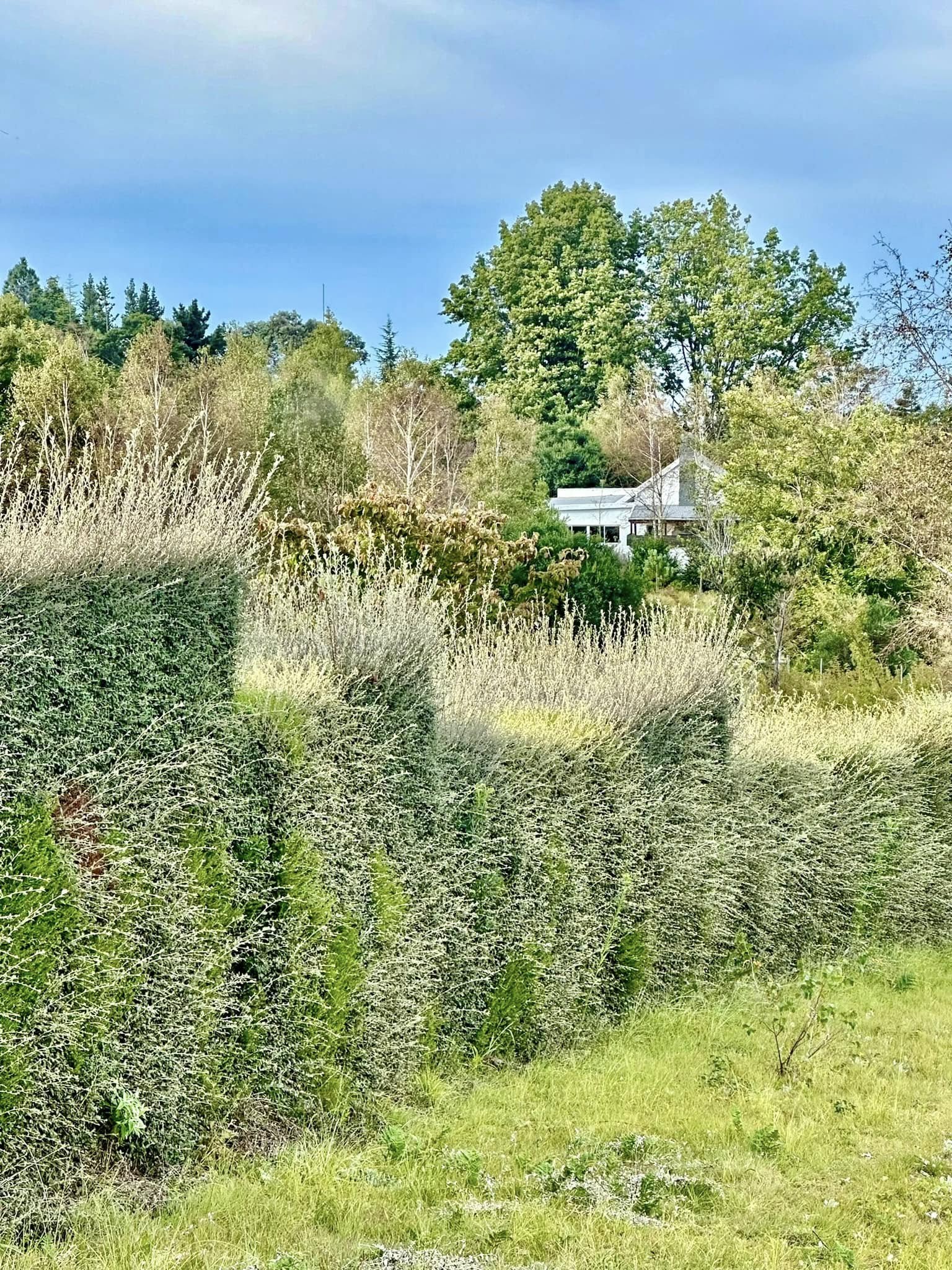
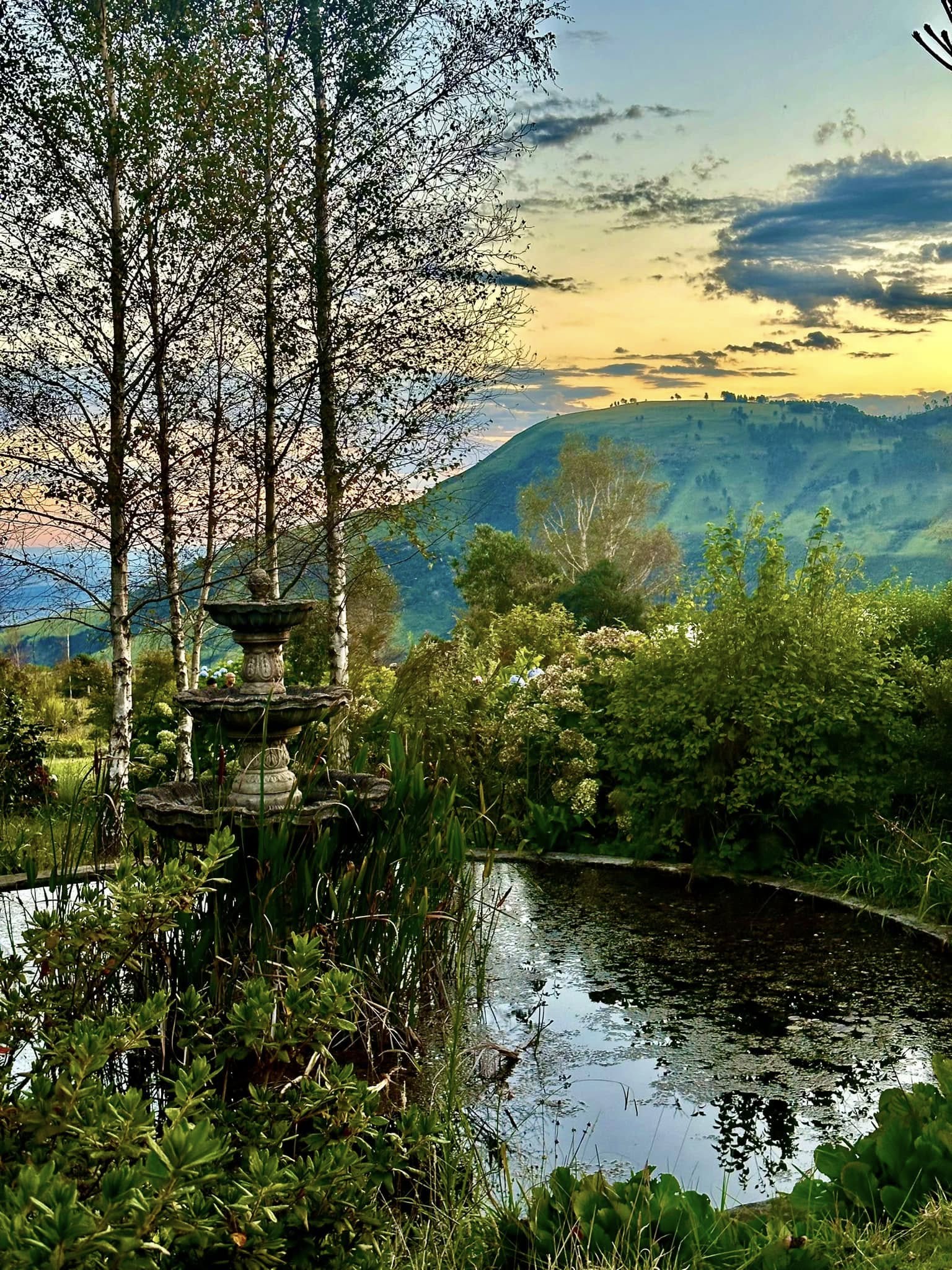
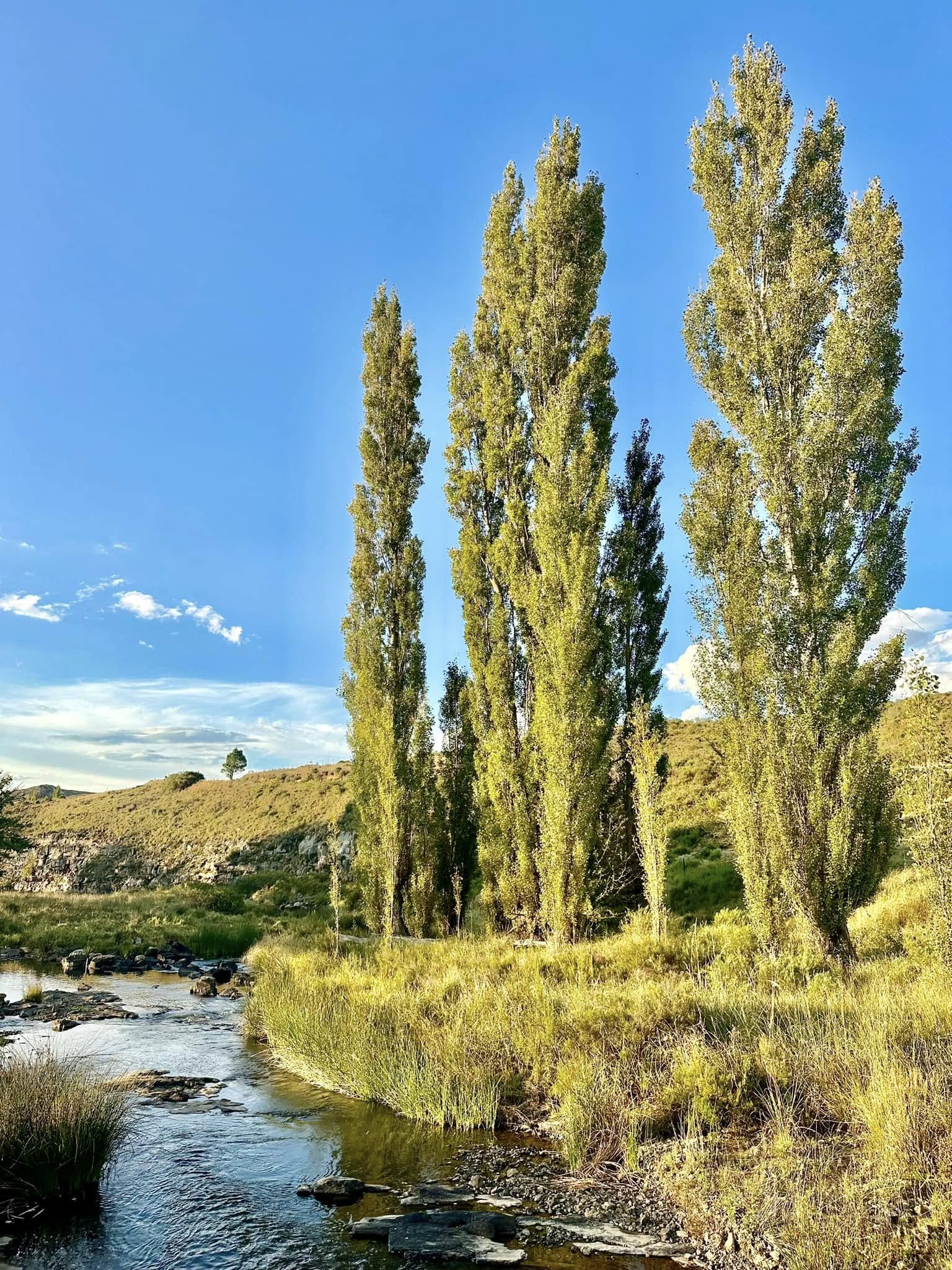
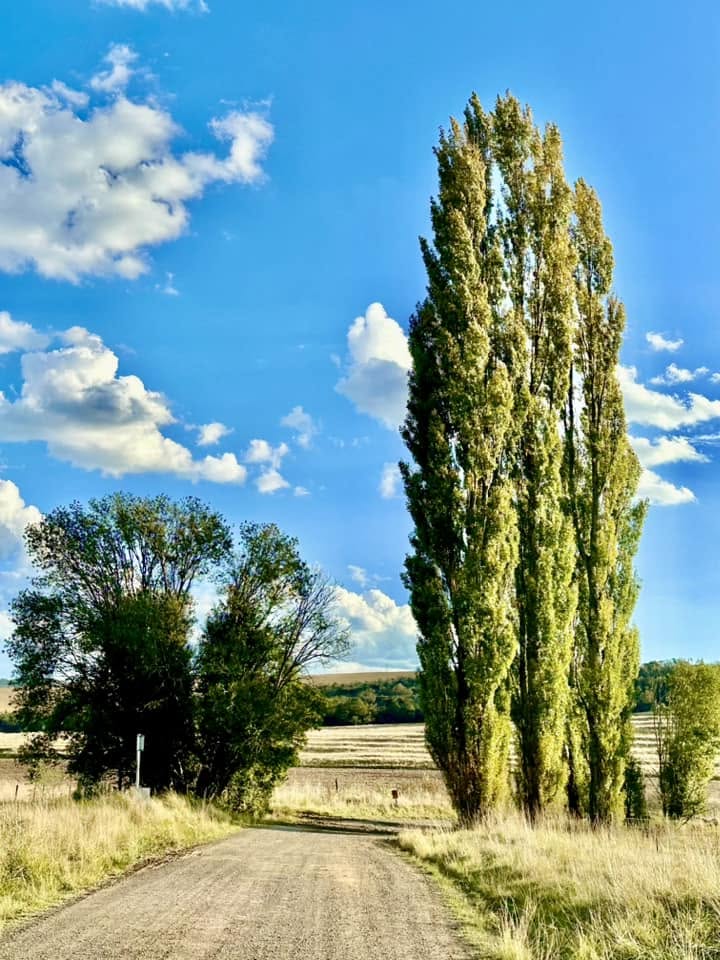
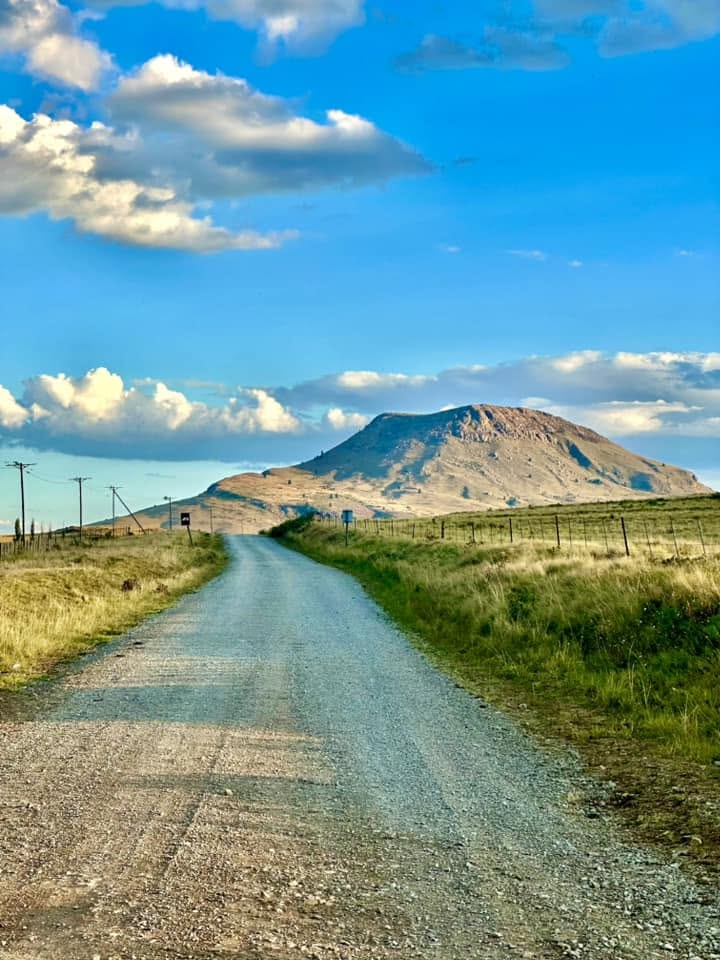
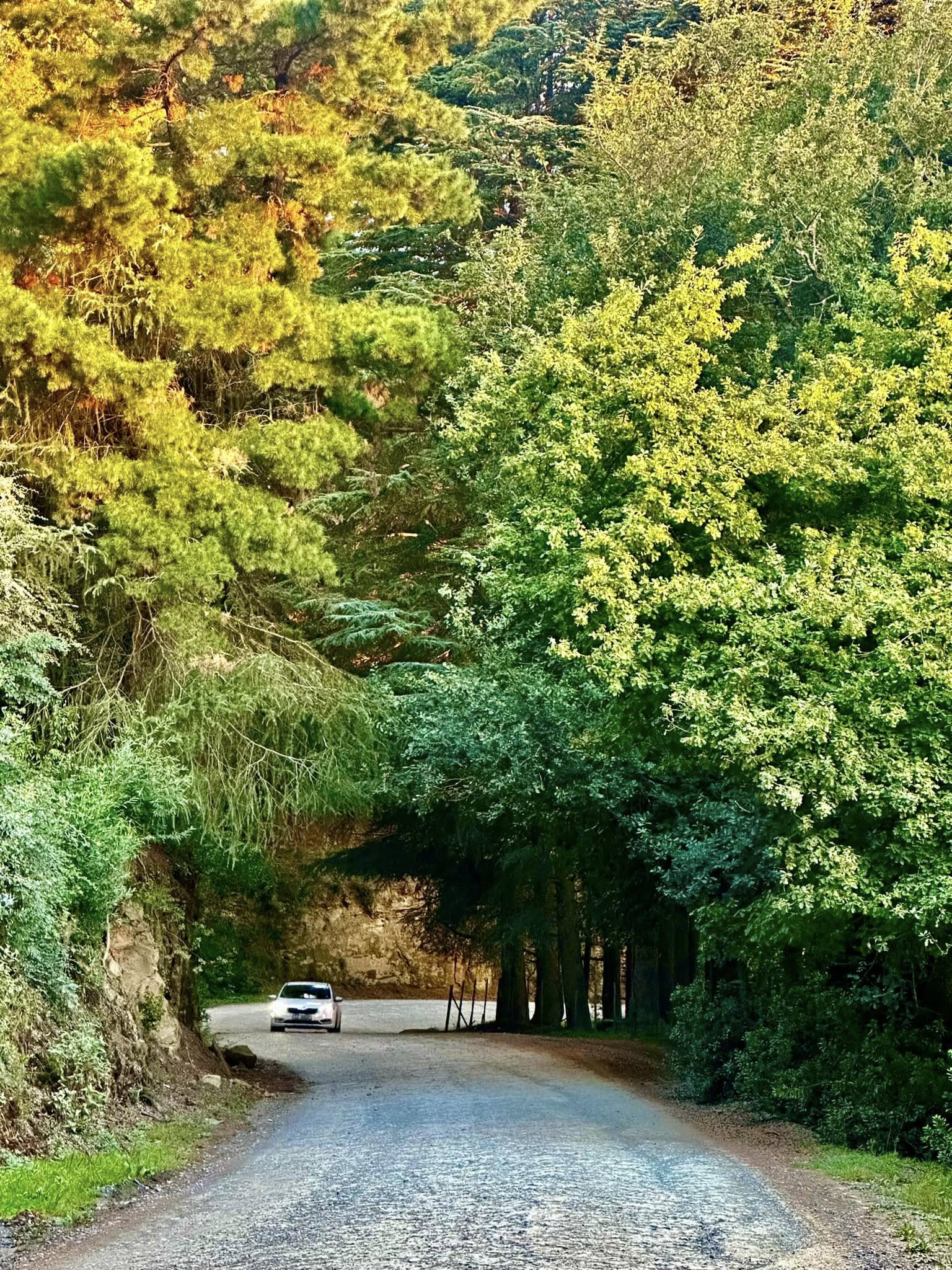
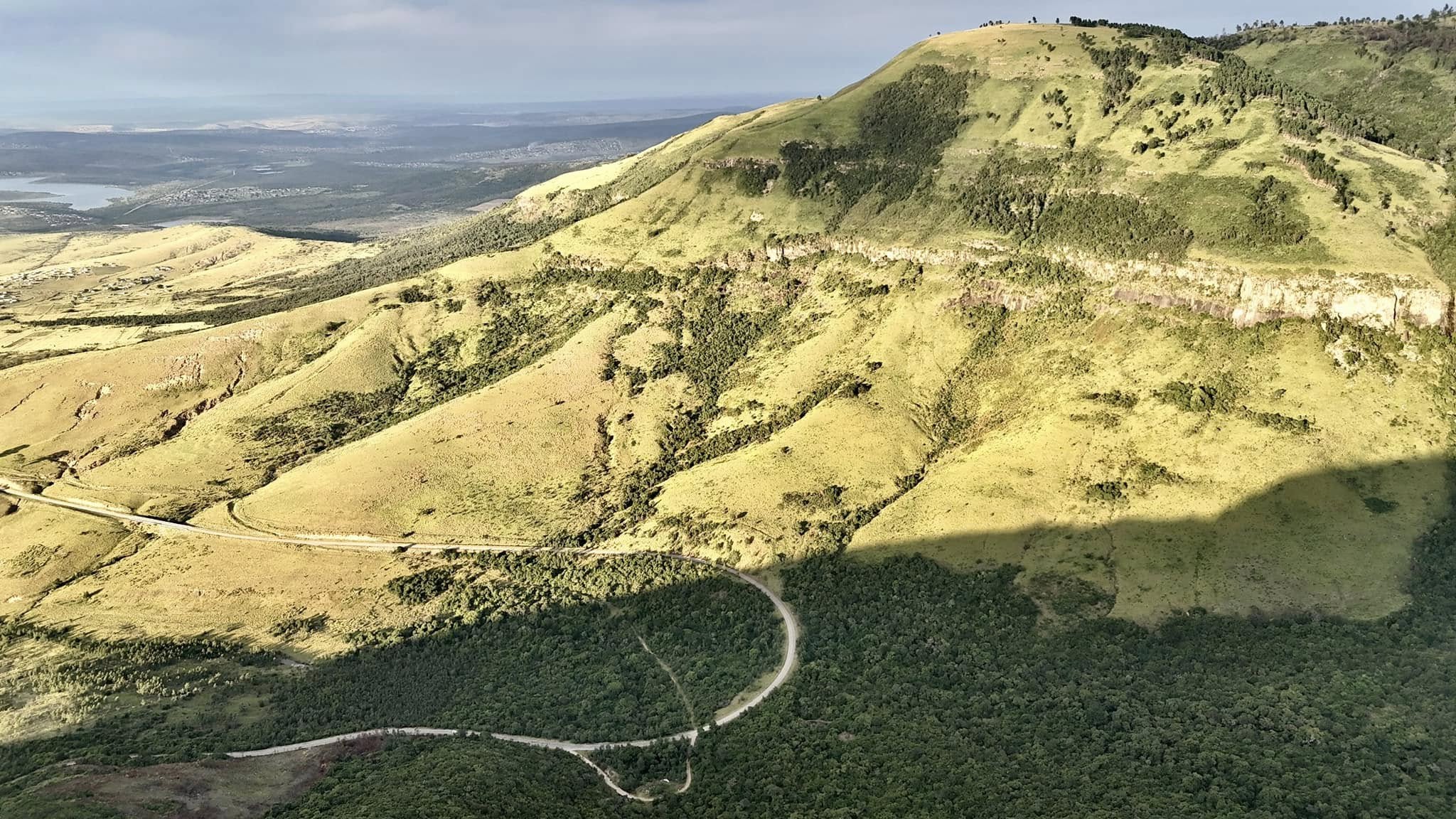
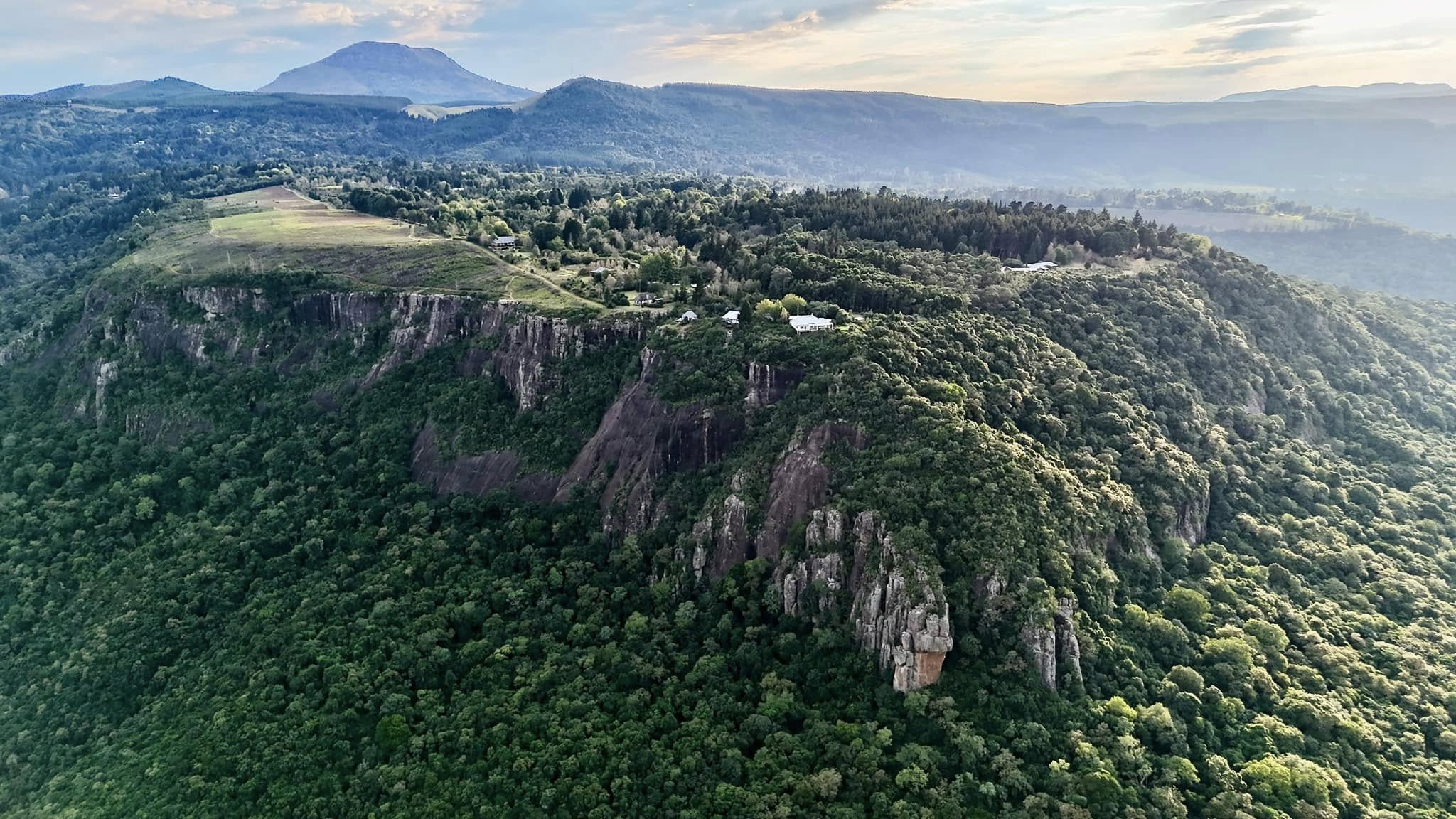
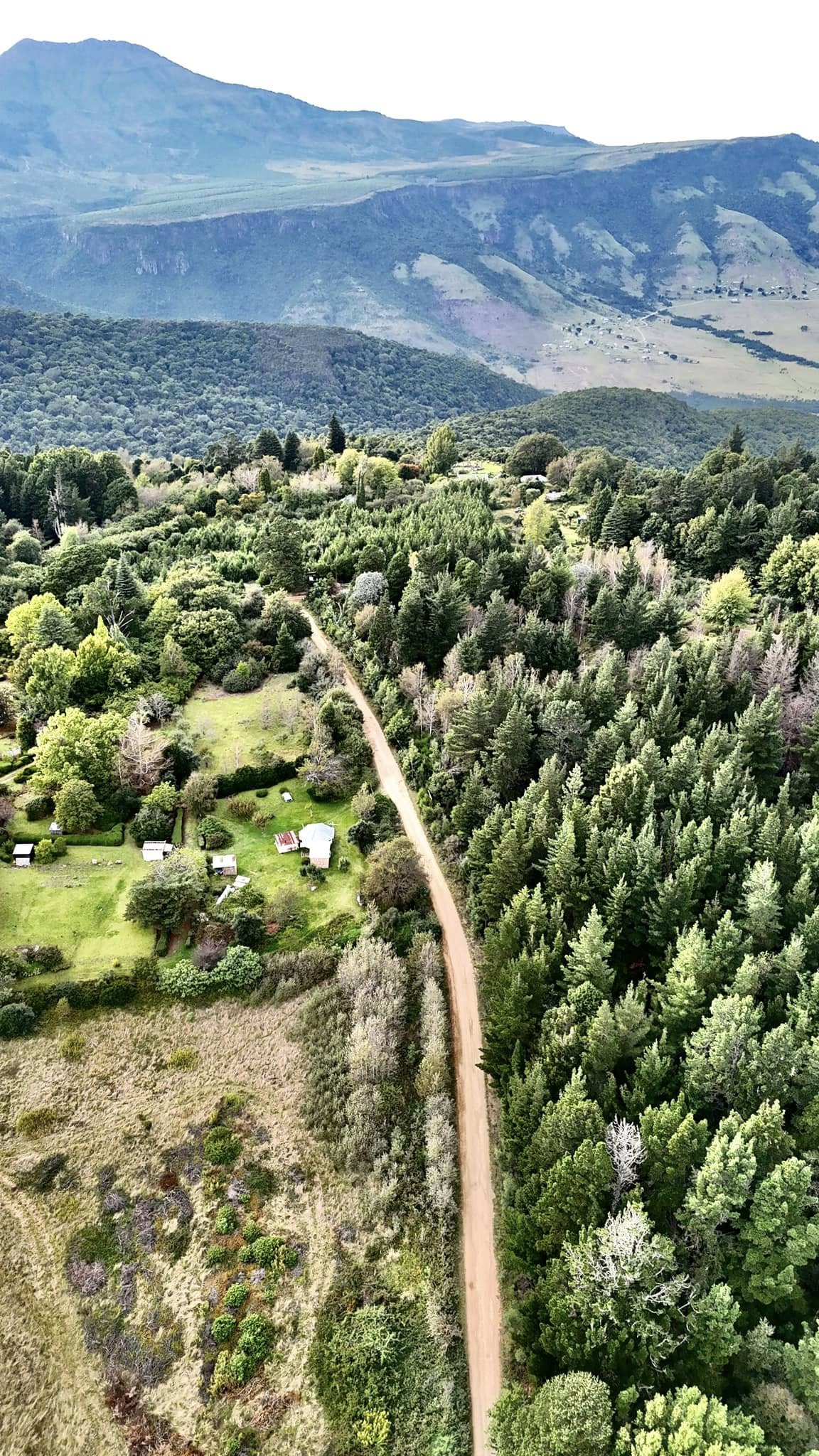
There is something about Hogsback that resists easy description. Tucked high in the Amathole Mountains at roughly 1,200 metres, this enchanted little village in the Eastern Cape operates on its own logic. Waterfalls, ancient forests, blazing fires, craft beer, good coffee, and friendly locals — it all adds up to something greater than the sum of its parts.
I'd heard about Hogsback for years before finally visiting. When we arrived, it was exactly what people had described and somehow still a surprise.
Getting There
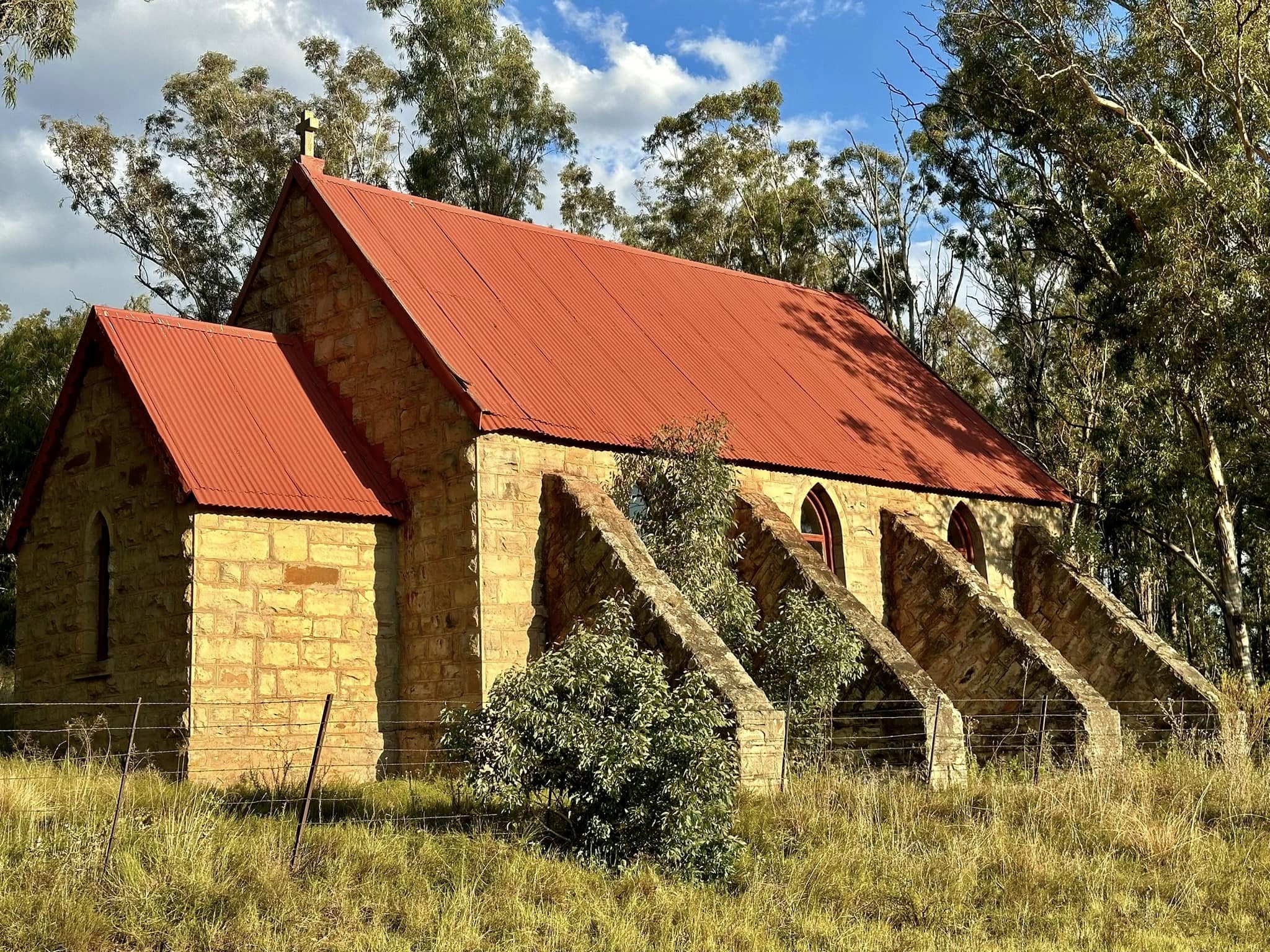
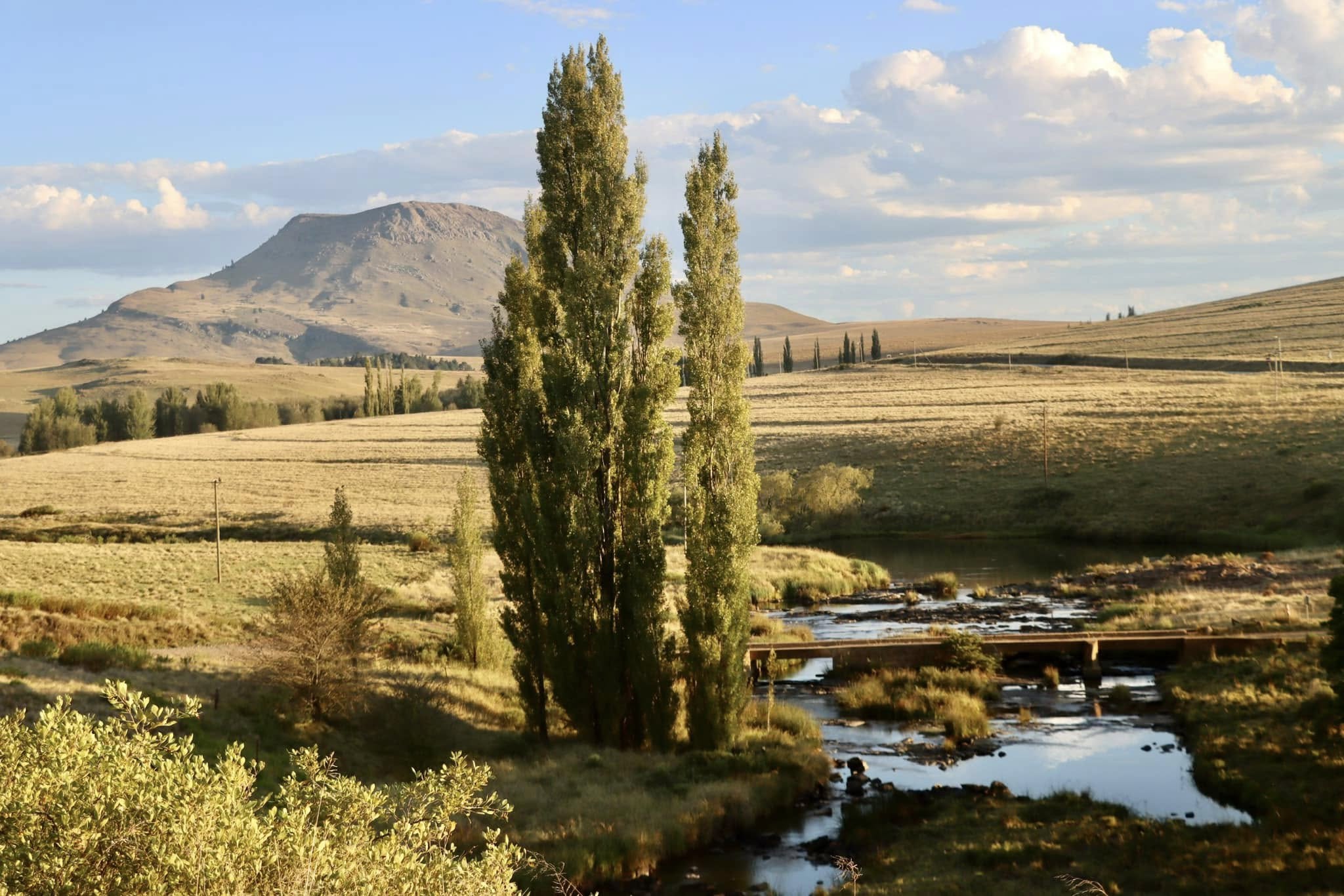
We came via the R345 from Cathcart. The road isn't rough exactly, but it demands attention and rewards patience. Drive slowly. Partly because the surface can catch you out if you're moving too fast, and partly because the scenery is genuinely too good to rush past. We spotted a beautiful old church on the approach that I would have missed entirely at speed. From the Alice side, the R345 winds up the mountain with views that make you pull over three times before you've even arrived. The route is worth the drive on its own.
Where We Stayed
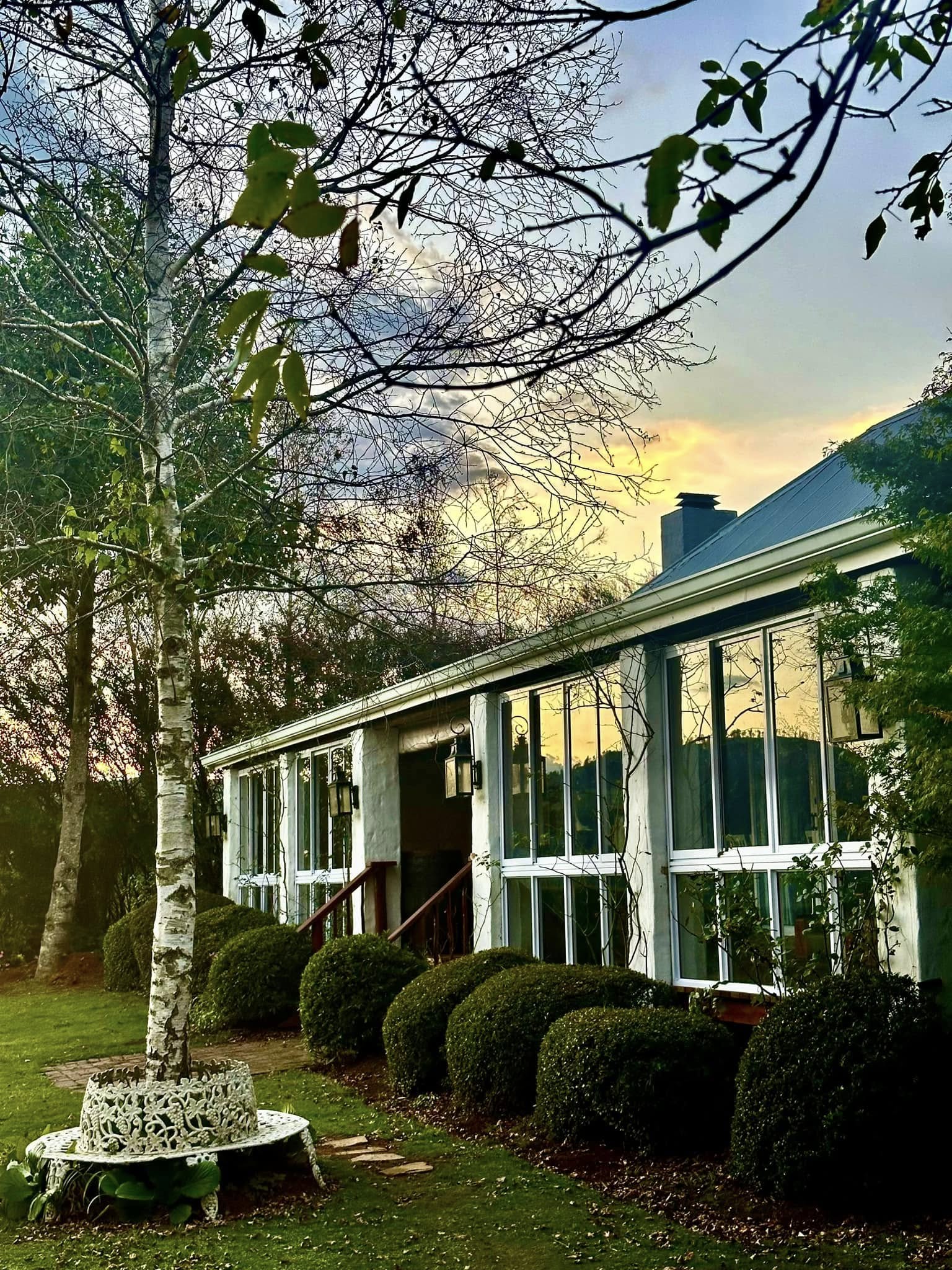
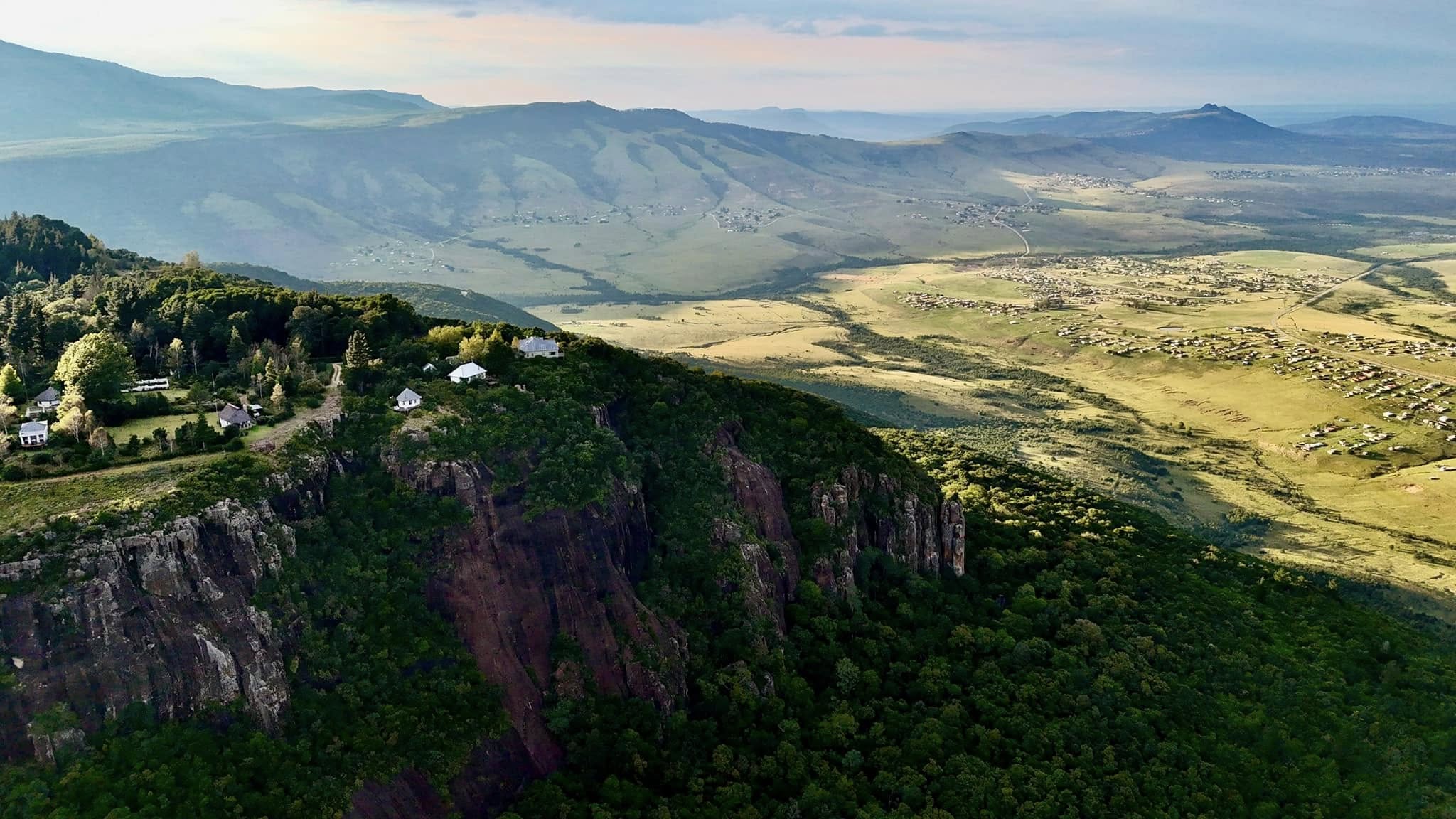
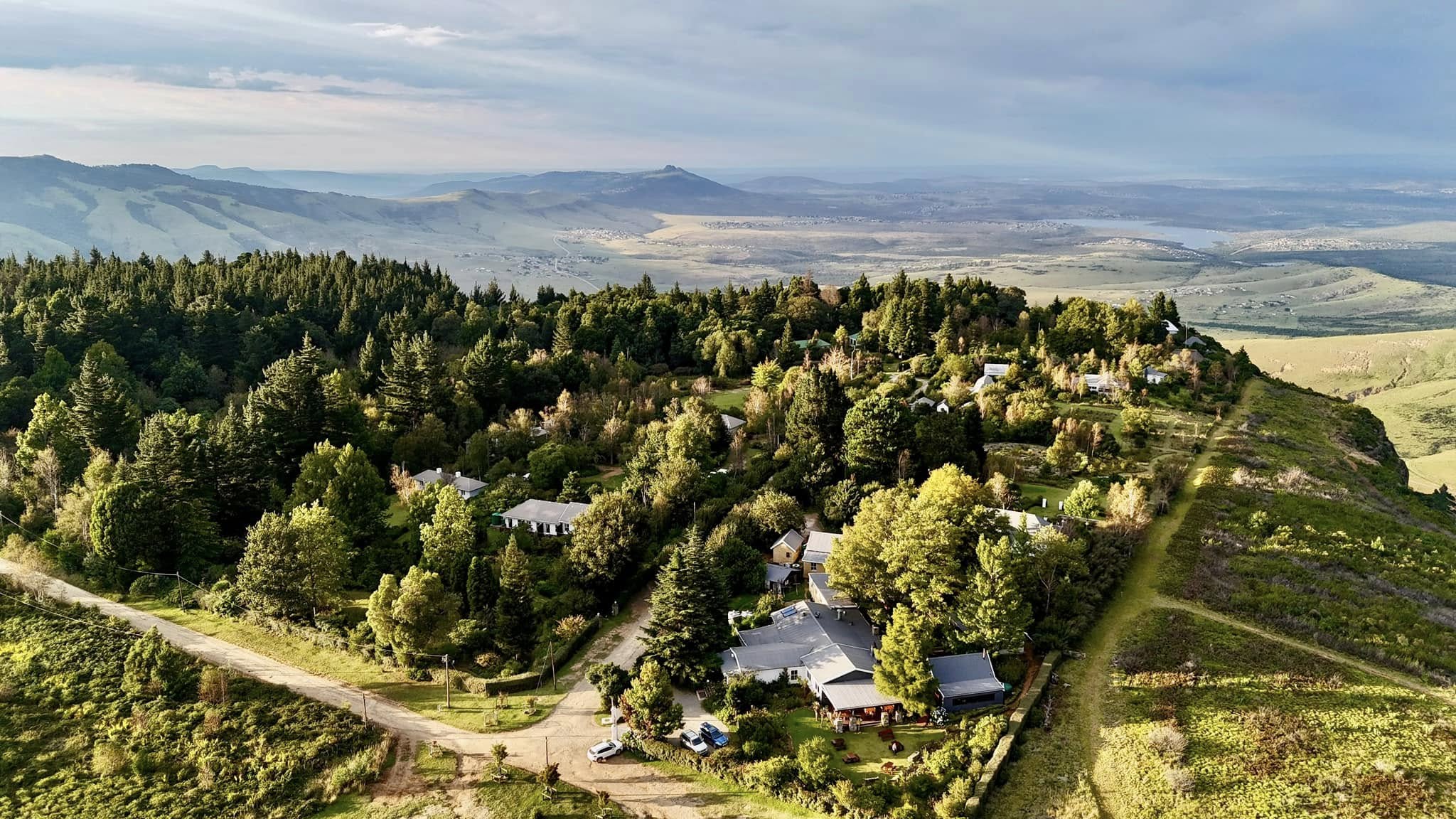
We stayed at The Edge Mountain Retreat and I can't recommend it highly enough. The location is extraordinary — perched with views that stop you mid-sentence — and the access to the walking trails right from the property is ideal. We walked to the viewpoint directly from the lodge. The sunset from here is something I won't forget quickly. They didn't sponsor me. It's just a genuinely good place to stay.
The Town Itself
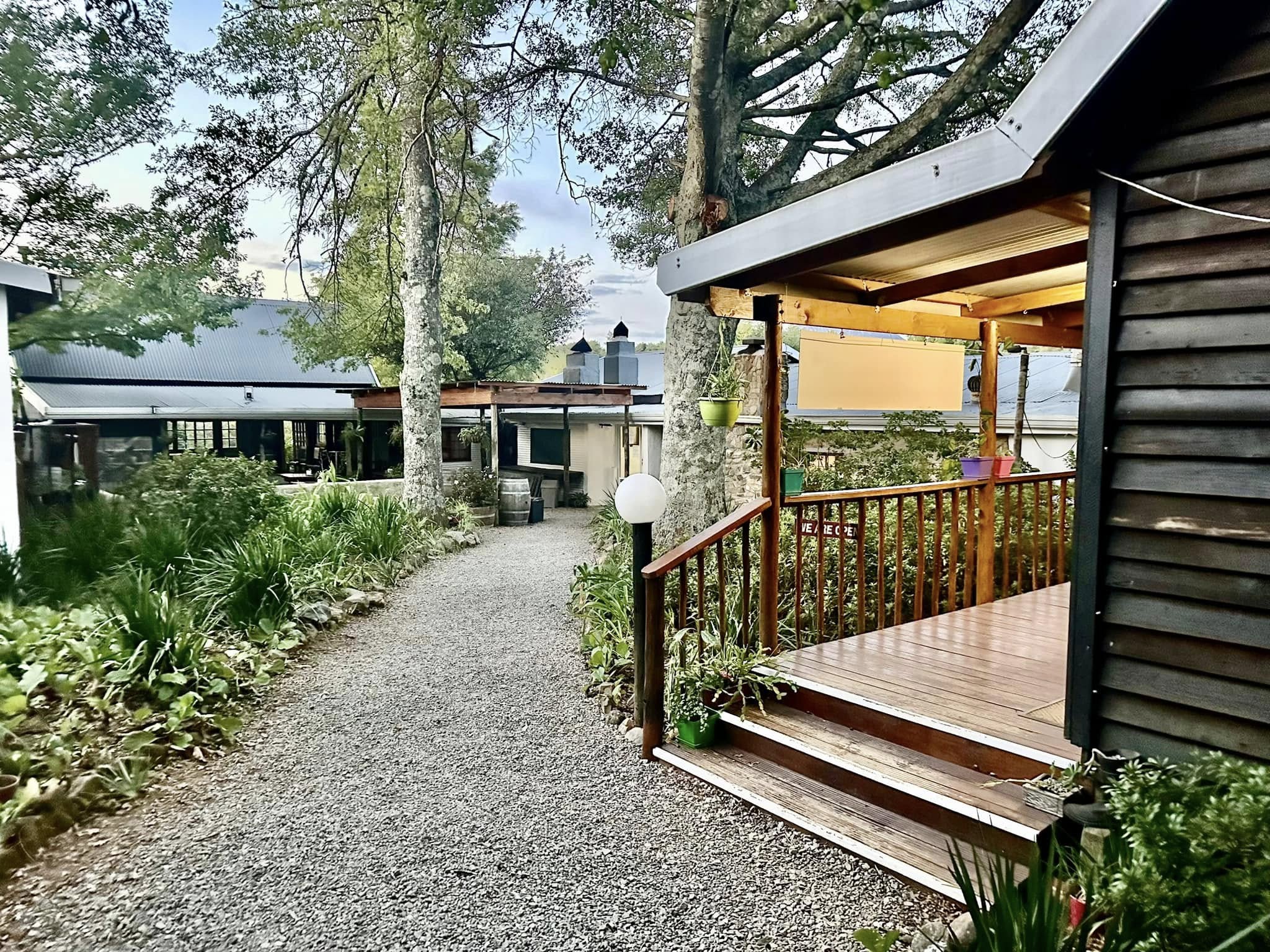
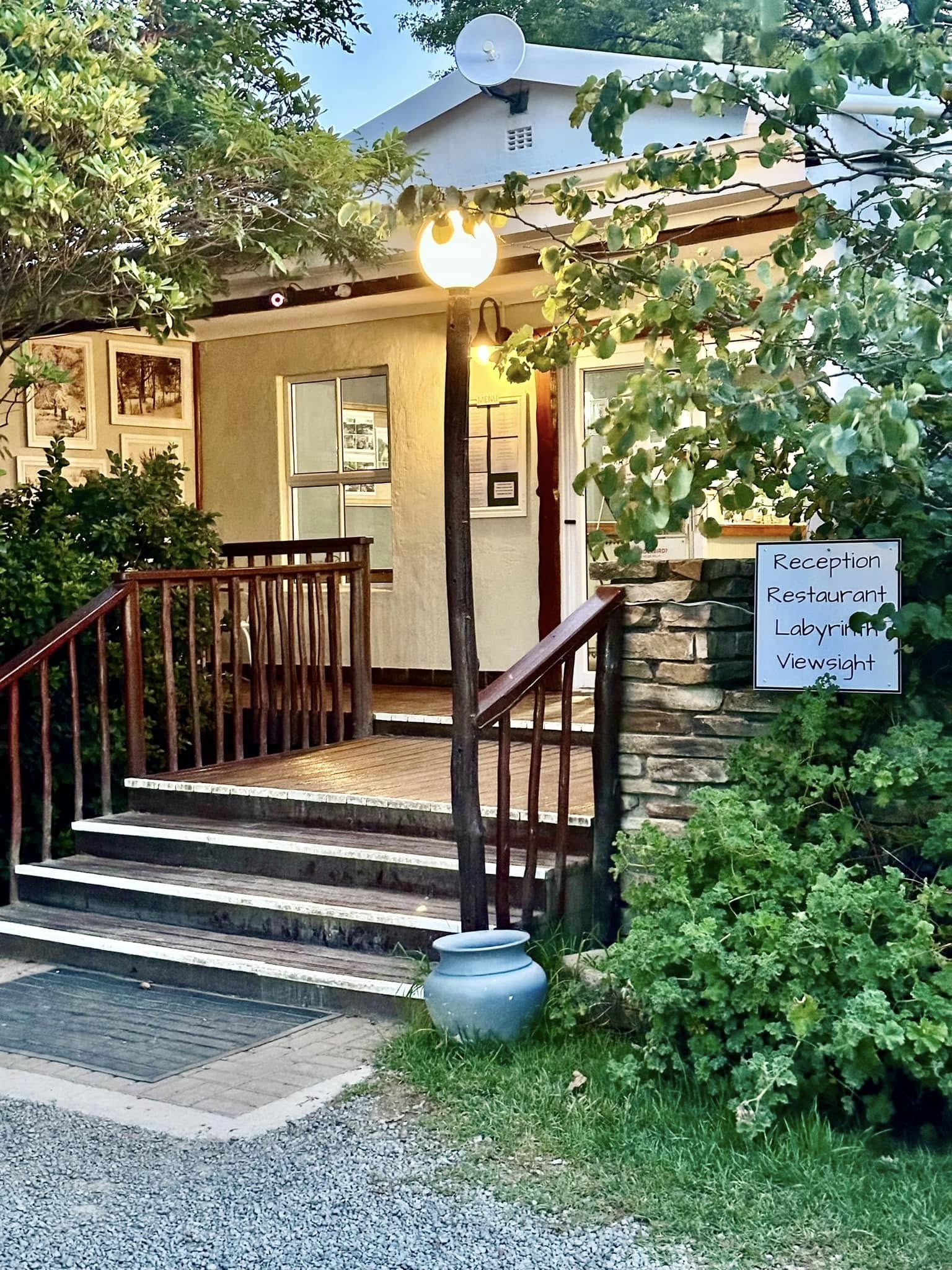
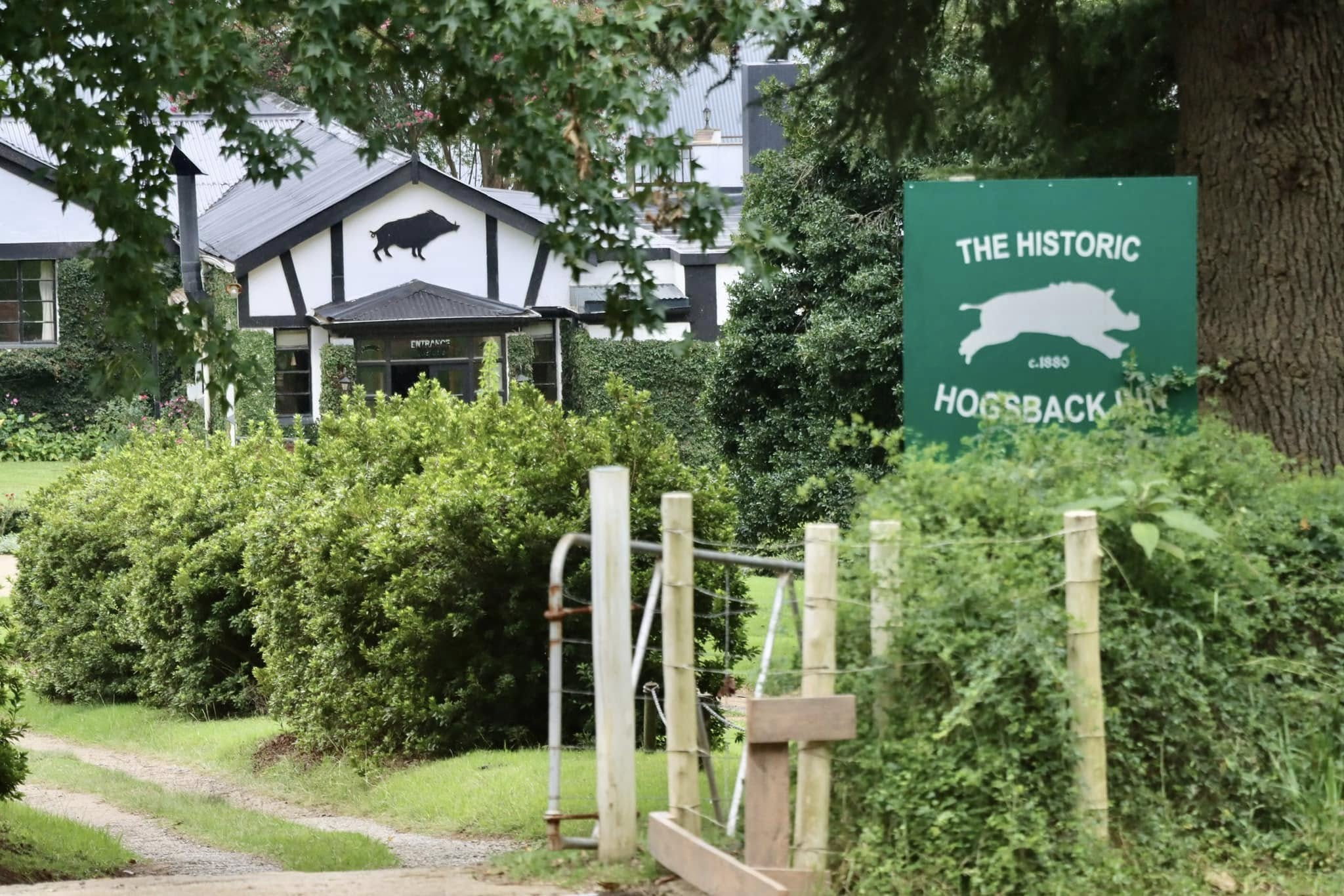
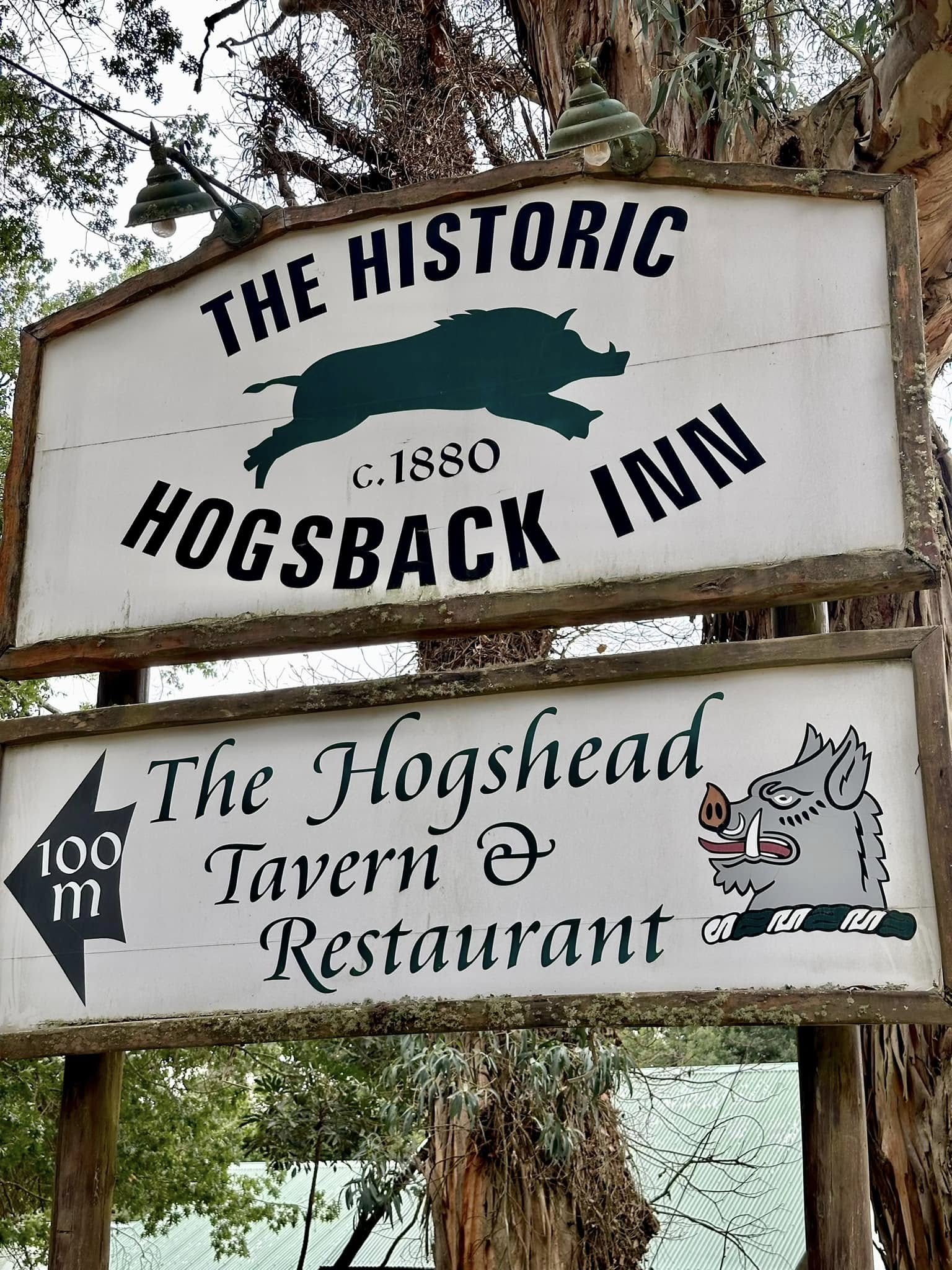
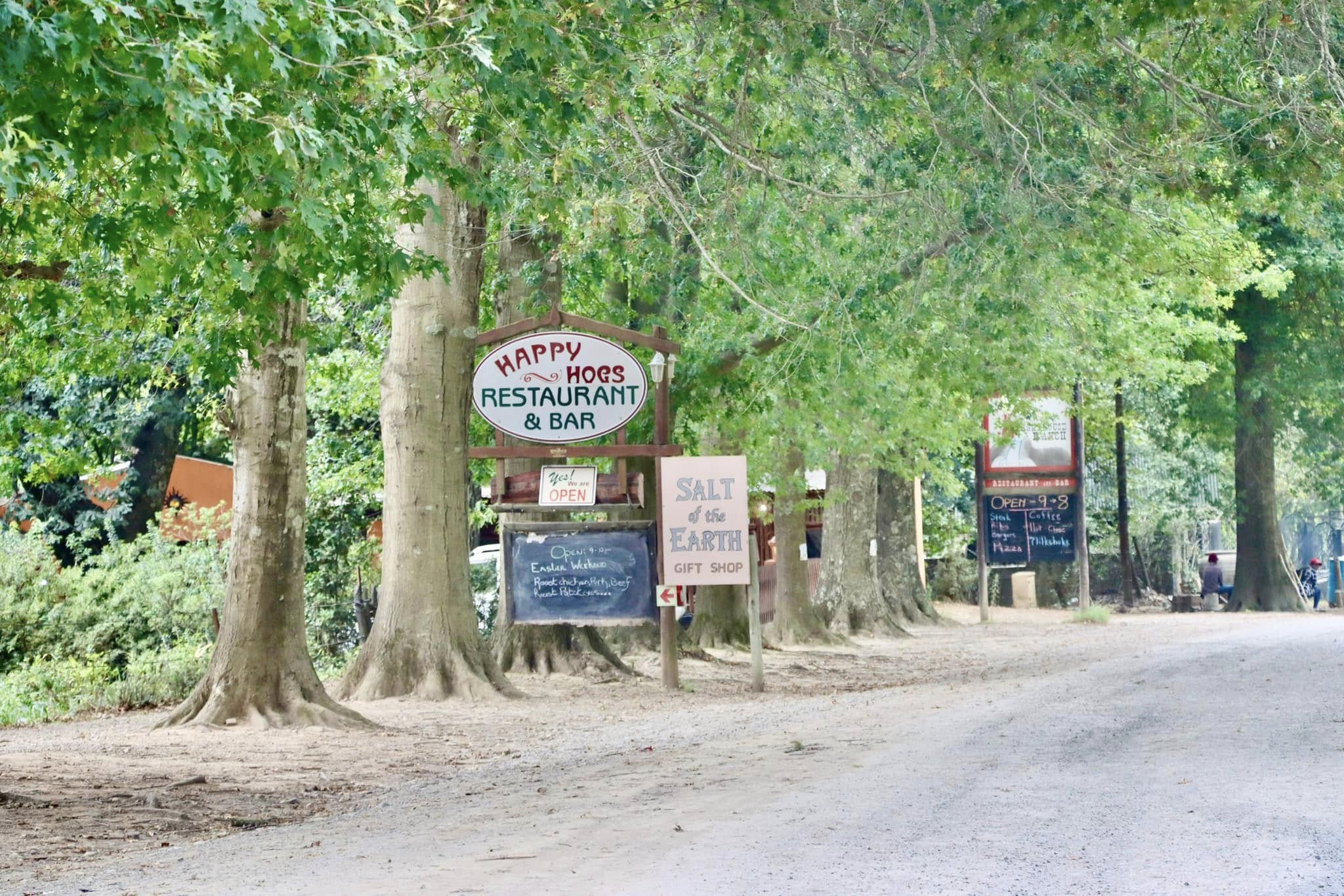
Hogsback's main street is attractive in a low-key, arts-village kind of way. Tree-lined and tree-covered streets run through the village. The Hogsback Inn entrance stopped us completely when we arrived — it looked like we'd stepped into the English countryside, which perhaps makes sense. Hogsback has an Oceanic climate comparable to England's, with rainfall averaging 974mm a year and temperatures ranging from 3.5°C in winter to 34.9°C in summer.
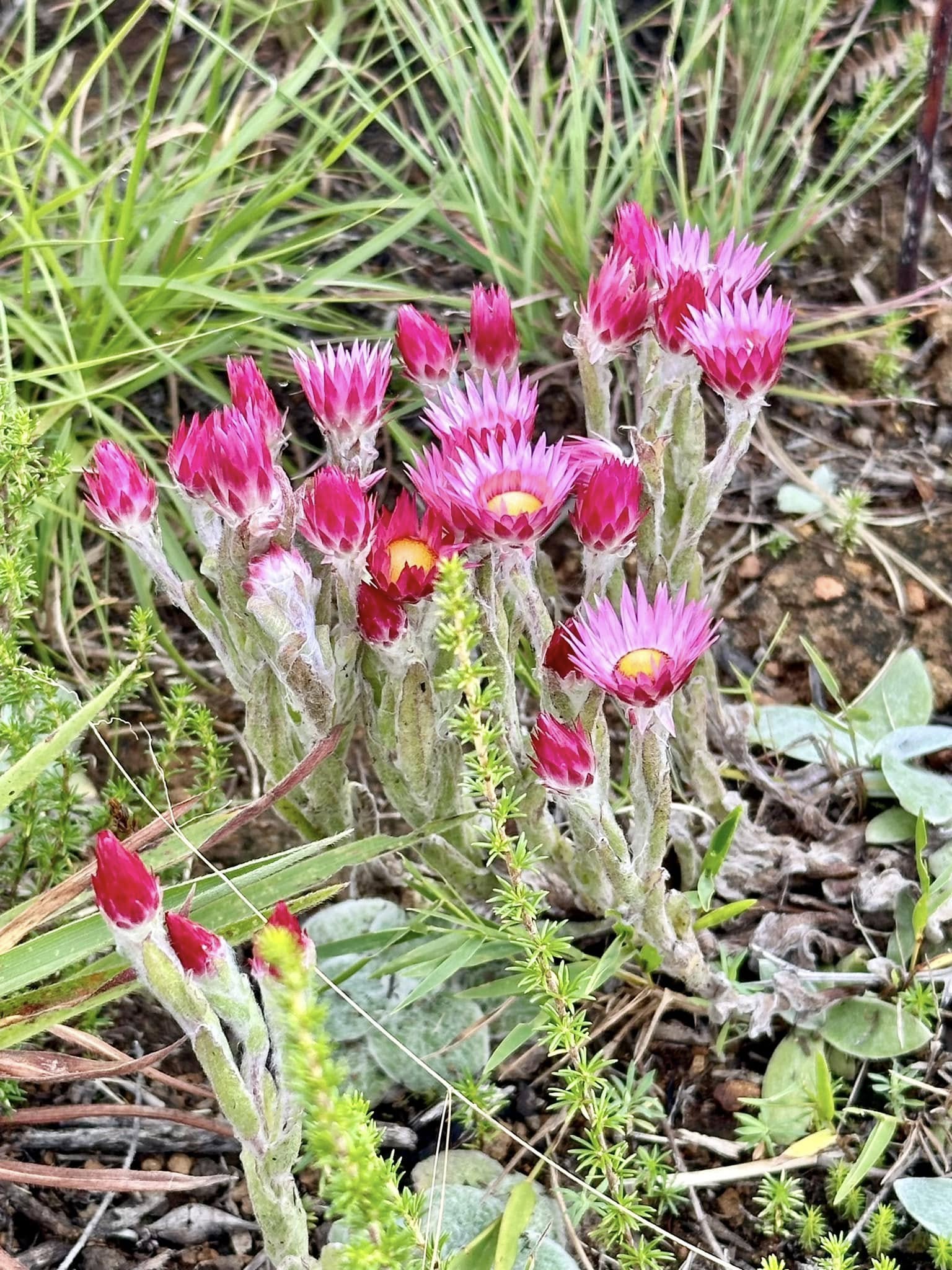
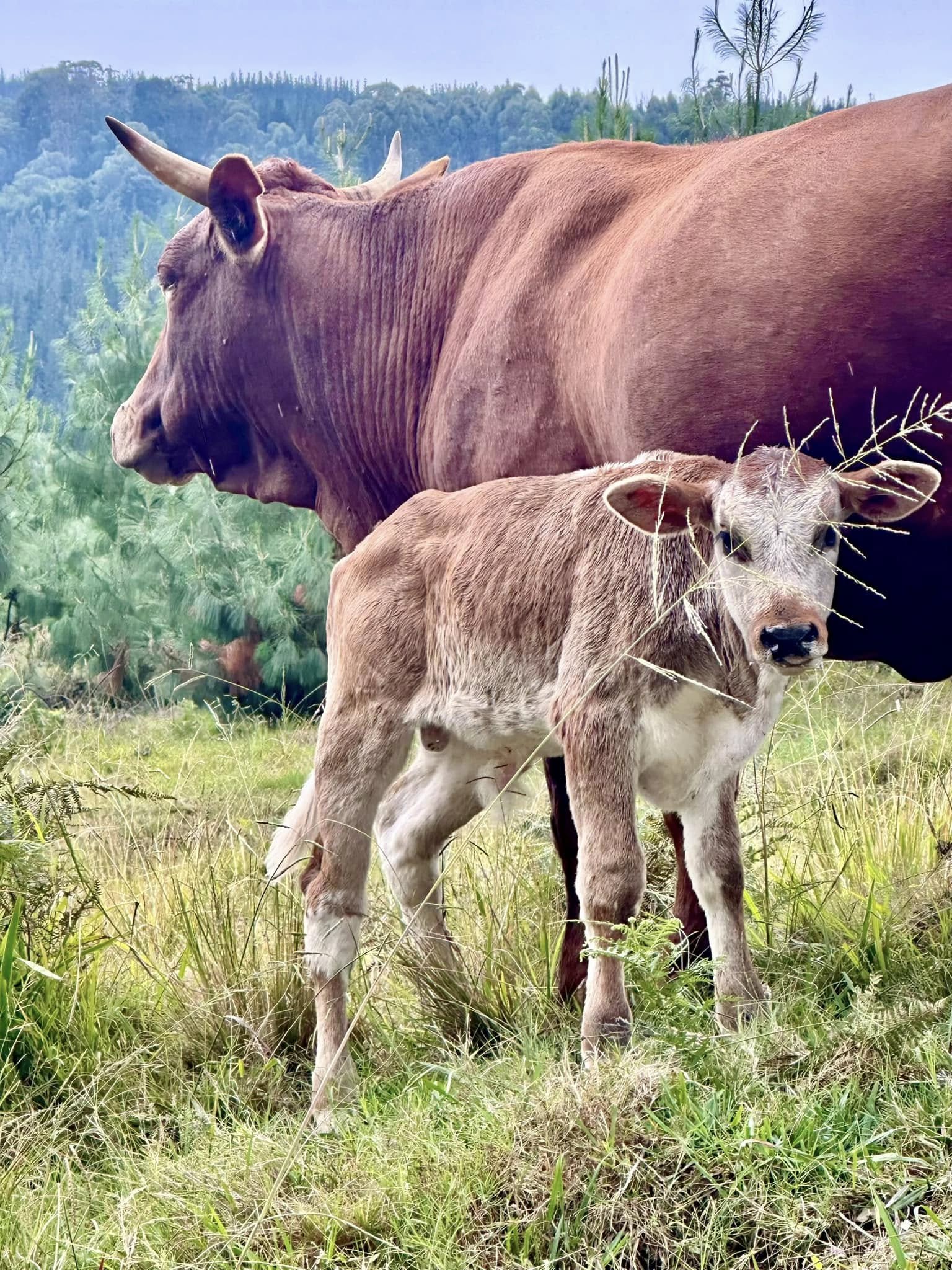
The streets are full of small surprises. Flowers everywhere. Cows wandering about. The sewe-jaartjies (wild marigolds) catch the light in a way that makes you stop walking and just look.
The Arboretum
One of the oldest gardens in Hogsback, the Arboretum was established in 1884 by the British colonial government. The history behind it is worth knowing.
By the 1800s, the steady influx of settlers and the discovery of diamonds and gold had created an endless demand for timber, harvested for homes, furniture, wagons, wheels, tools, and ships. The indigenous forests of the Eastern Cape were heavily depleted. Joseph Storr Lister, appointed Conservator of Forests in the Eastern Cape in 1888, began the difficult task of managing the Amathole forests and initiated the first forestry trials here in 1890, planting non-indigenous trees from around the world to test how they'd grow in the moist uplands.
By 1910, some 80 hectares had been planted. Monterey Pine from North America and Wattles from Australia proved fast-growing and thrived. The Arboretum also holds the largest Californian Redwoods in South Africa.
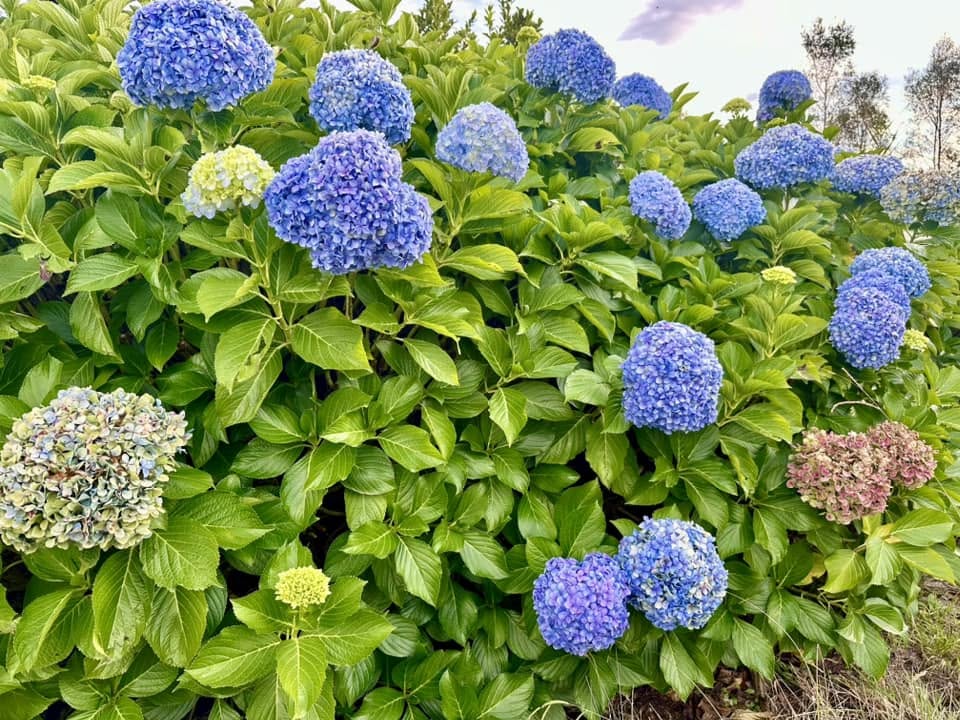
Today it's a living tree museum and one of the best walks in the village. The 39 Steps waterfall, azaleas, Japanese maples, hydrangeas, and arum lilies all feature. Keep an eye open for the rare Cape parrots, colourful loeries, and the playful Samango monkeys. The Hogsback Garden Club maintains the space, with a Garden of Remembrance and a Garden of Love where trees can be planted as living memorials.
Source: Grocott's Mail, September 2013
Madonna and Child Waterfall
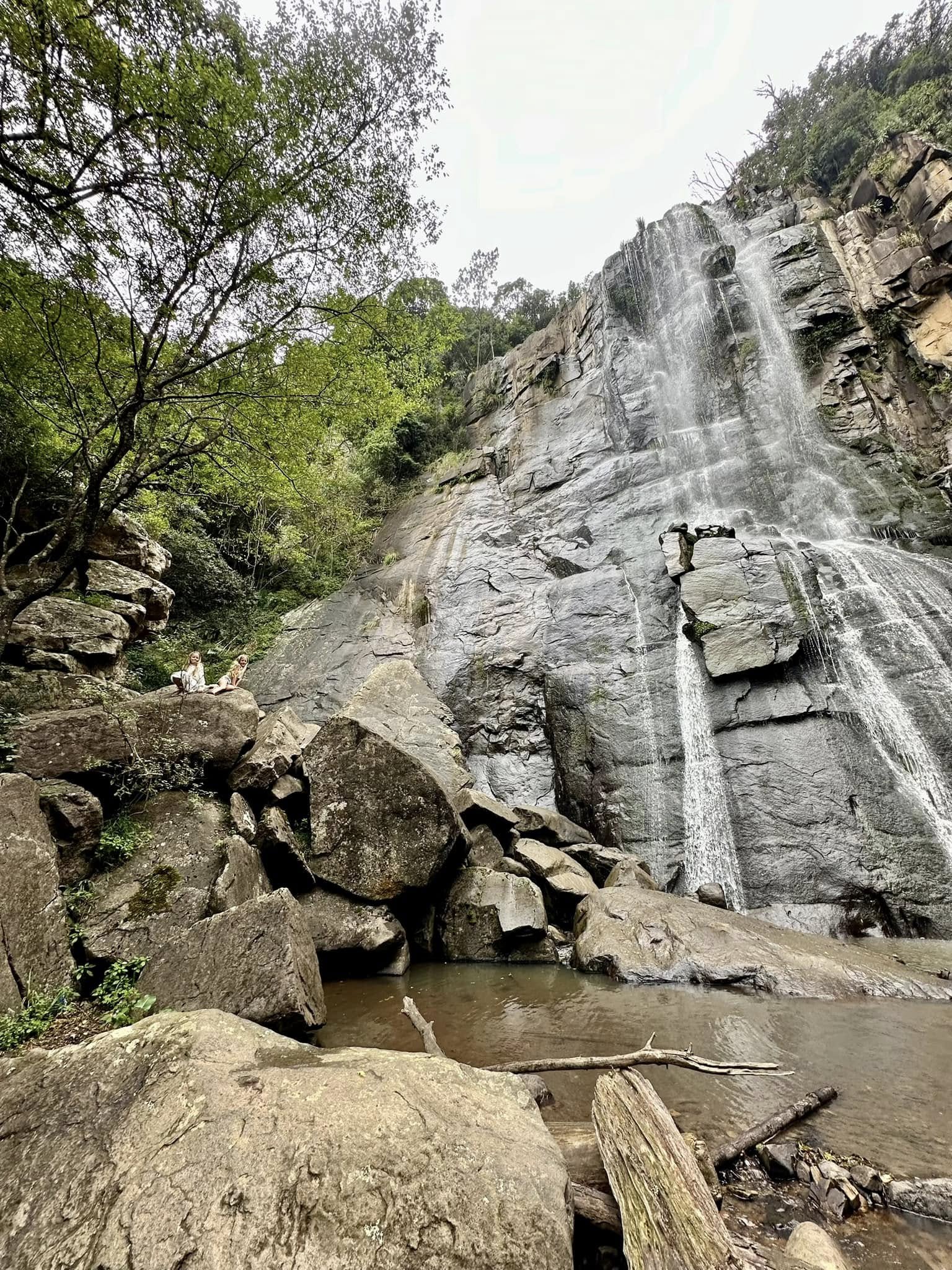
We tackled the Madonna and Child waterfall hike in slops. Don't do that. We had absolutely no idea what we were in for. The route down is steep, and the climb back is essentially vertical. For anyone not comfortable on their feet, approach with caution.
But the waterfall was a complete surprise. We had no expectations going in and were blown away. The name comes from a rock outcrop on the face of the falls, shaped like a mother and child. Our twins give some scale in the photos. It's genuinely spectacular.
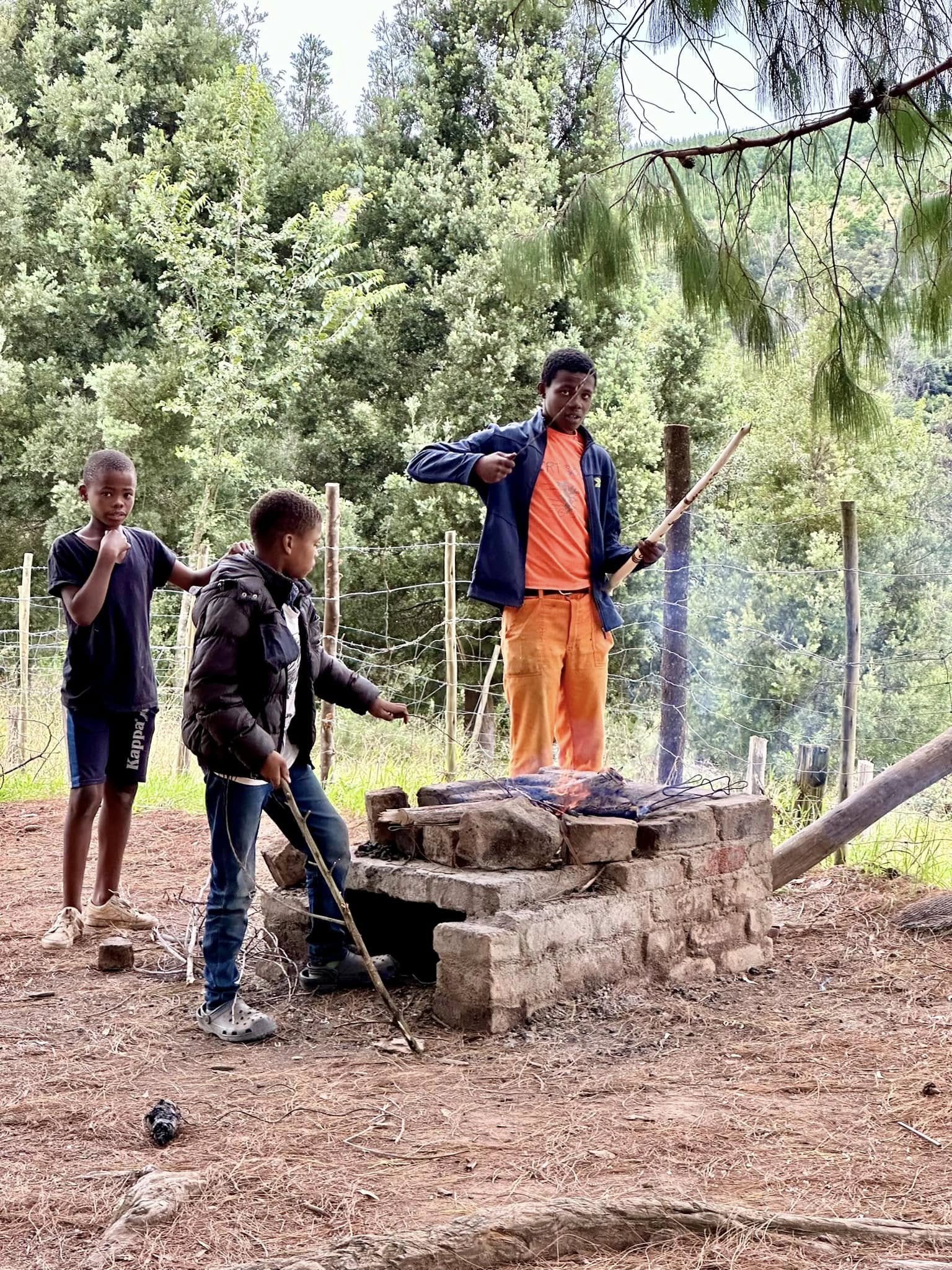
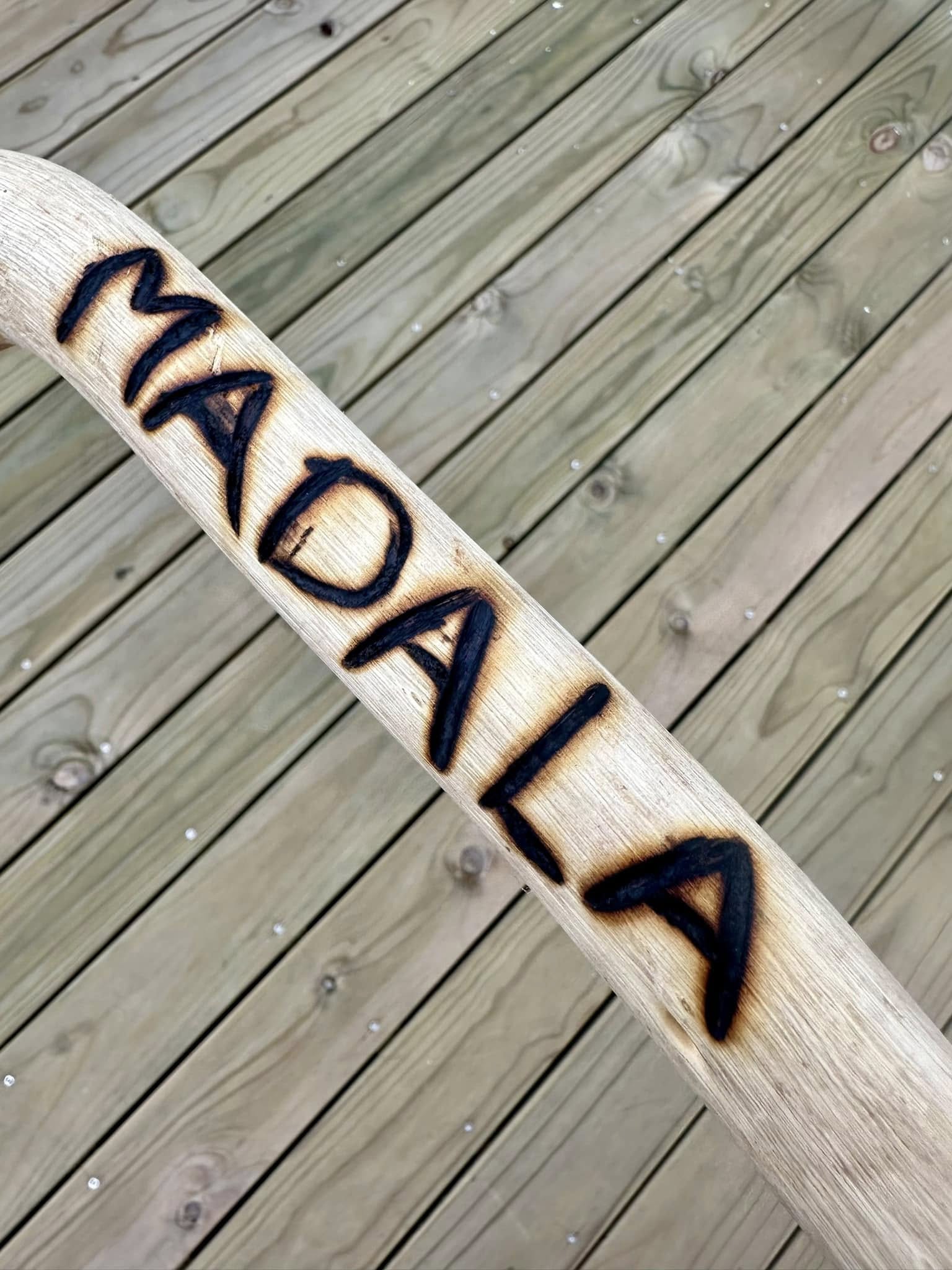
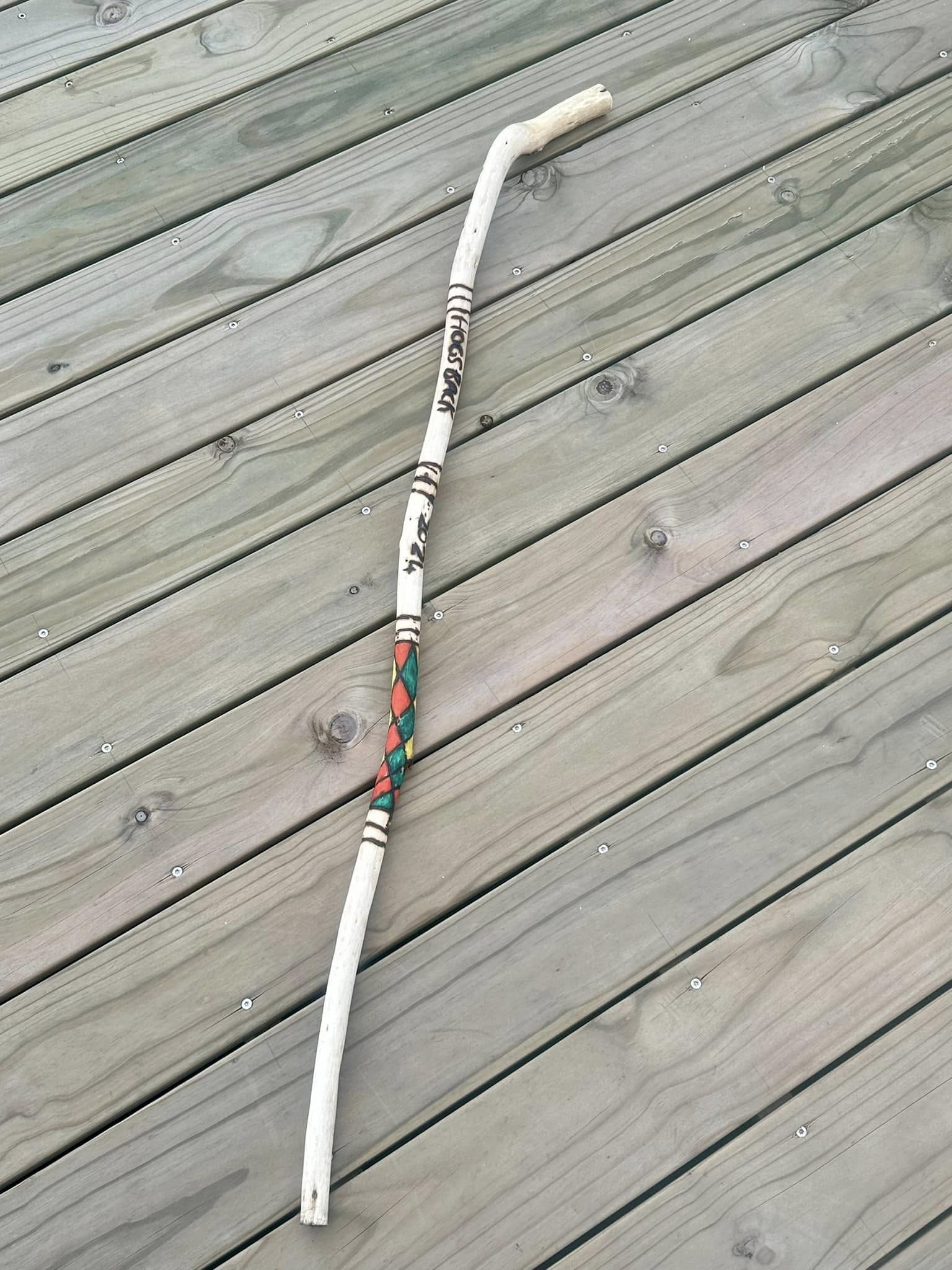
On the way in, we met a group of young men at a fire at the trailhead, burning names into walking sticks made from invasive wattle wood. We bought one for my dad, whose nickname is Madala. The craftsmanship is excellent and there's something satisfying about buying a product made from an invasive species. Support them if you visit.
Coffee, Food, and Drinks
The Red Clay Cafe has one of the more captivating interiors I've come across. I found myself looking around the room before thinking about ordering.
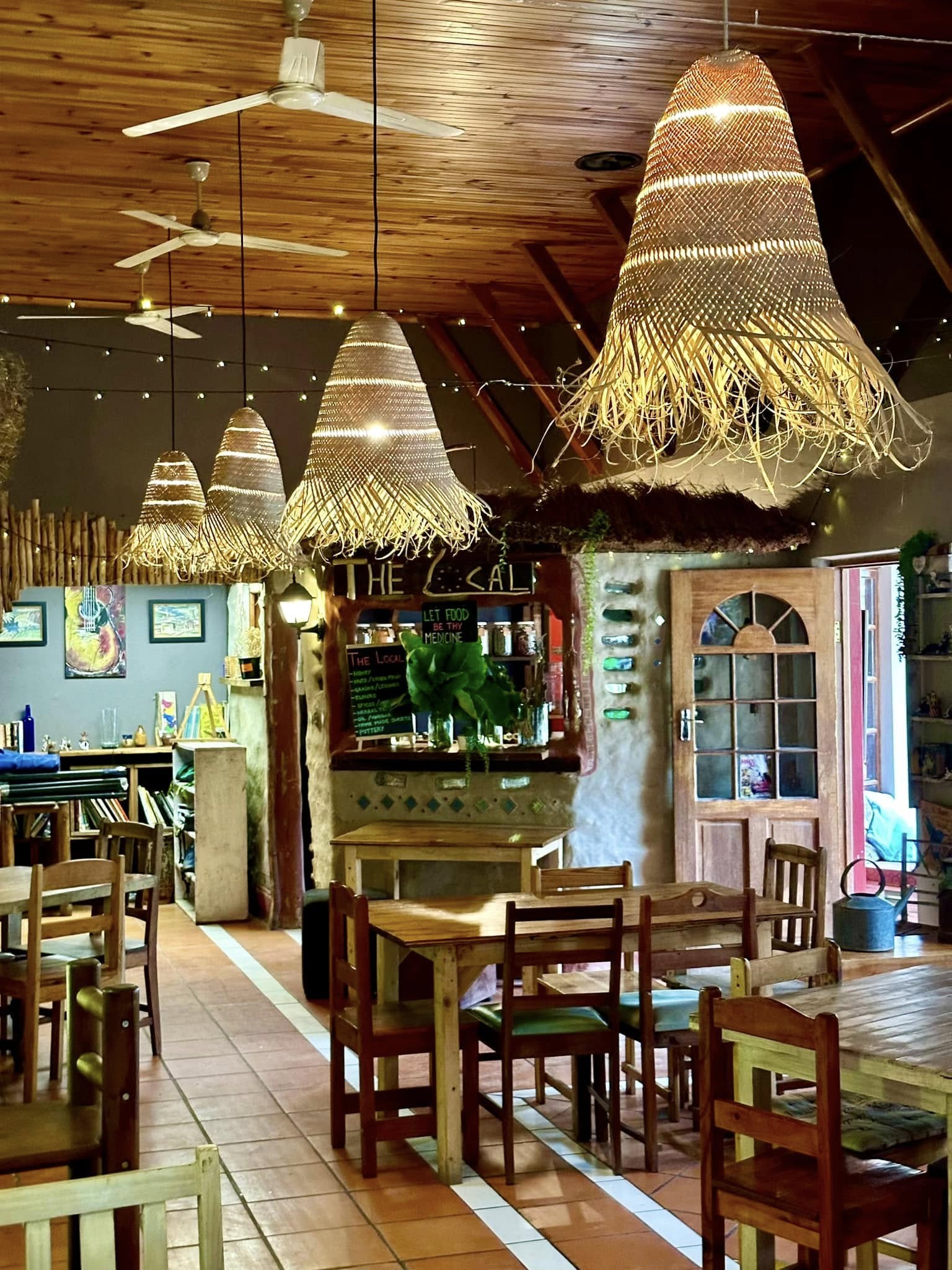
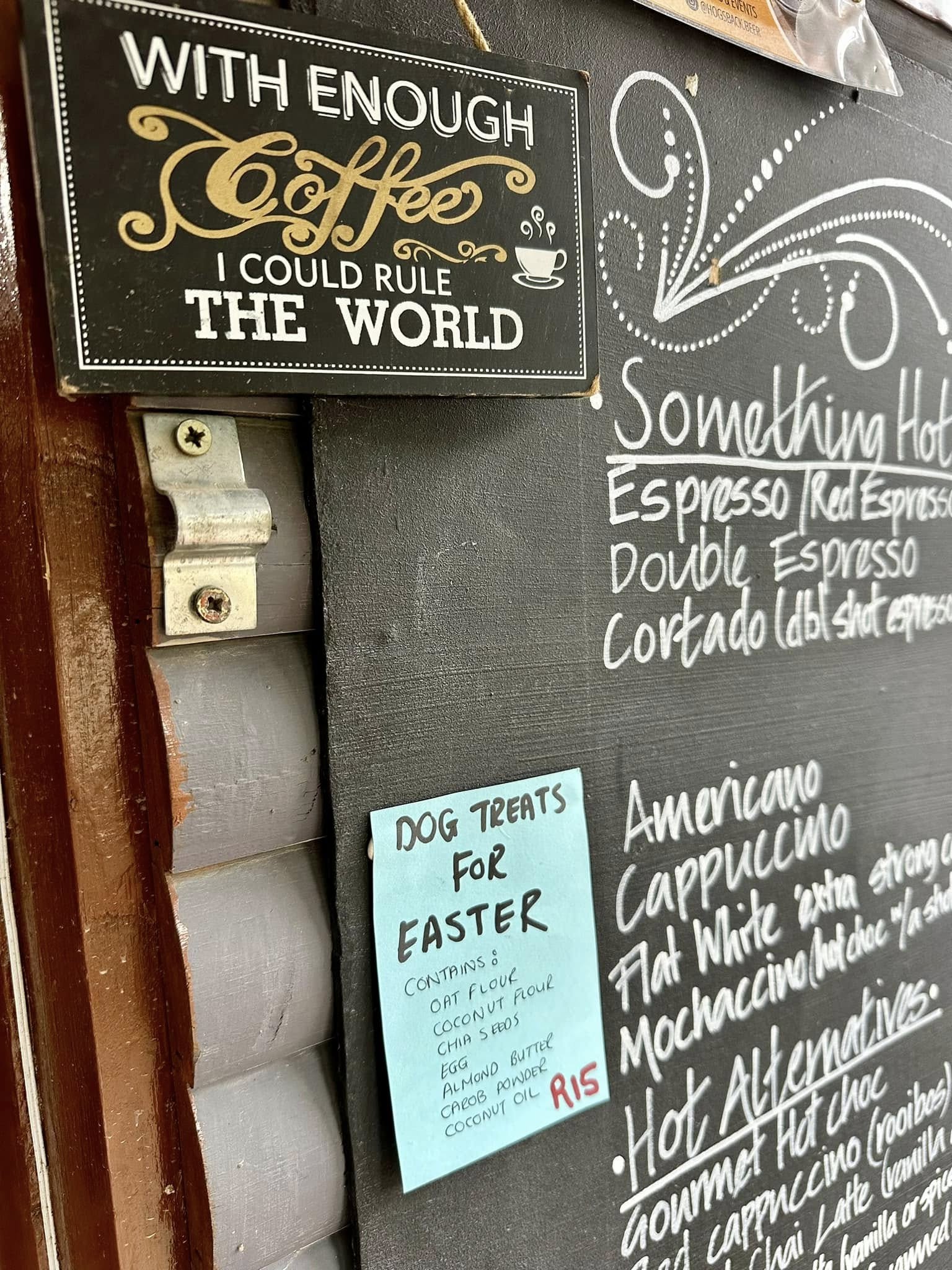
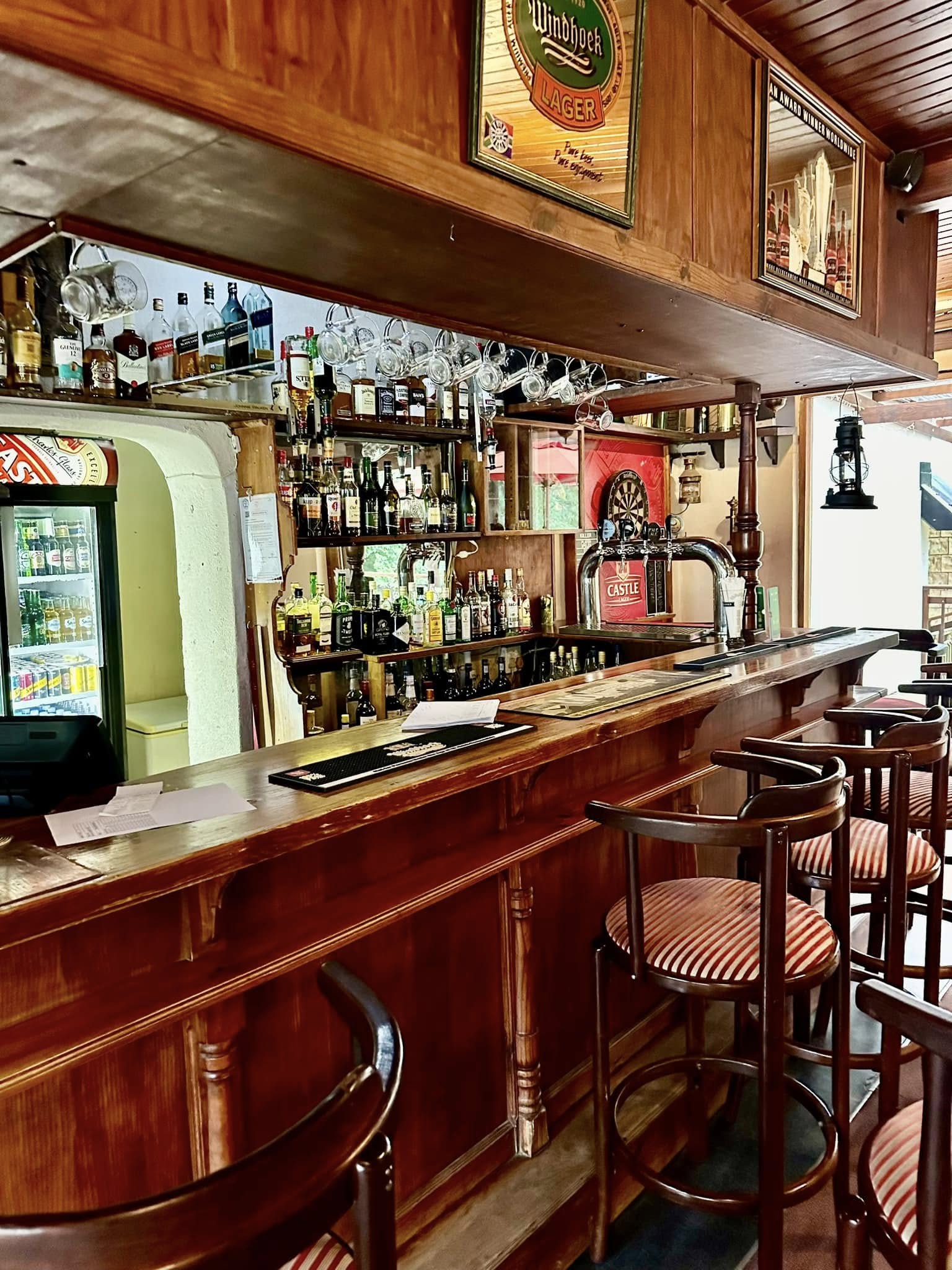
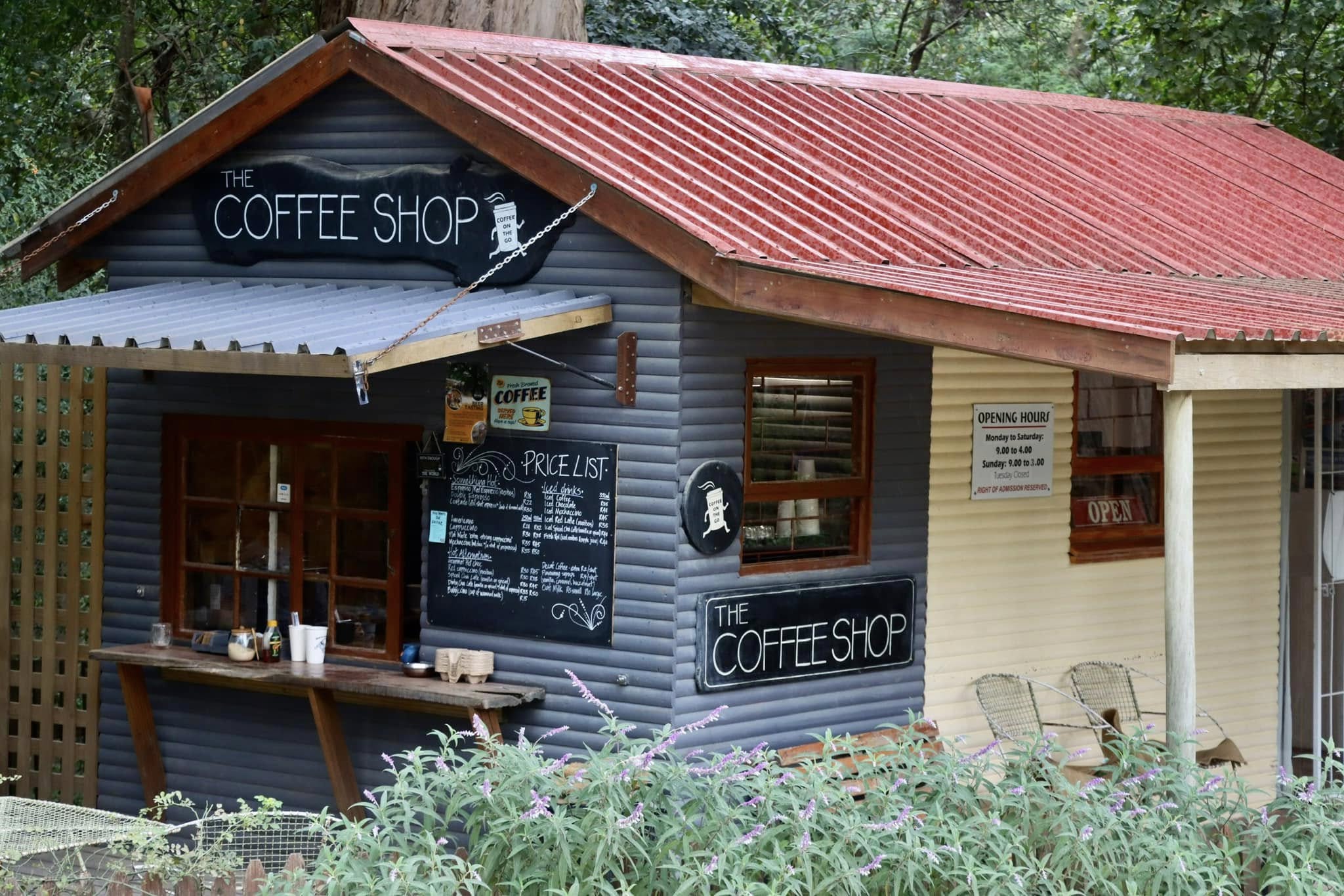
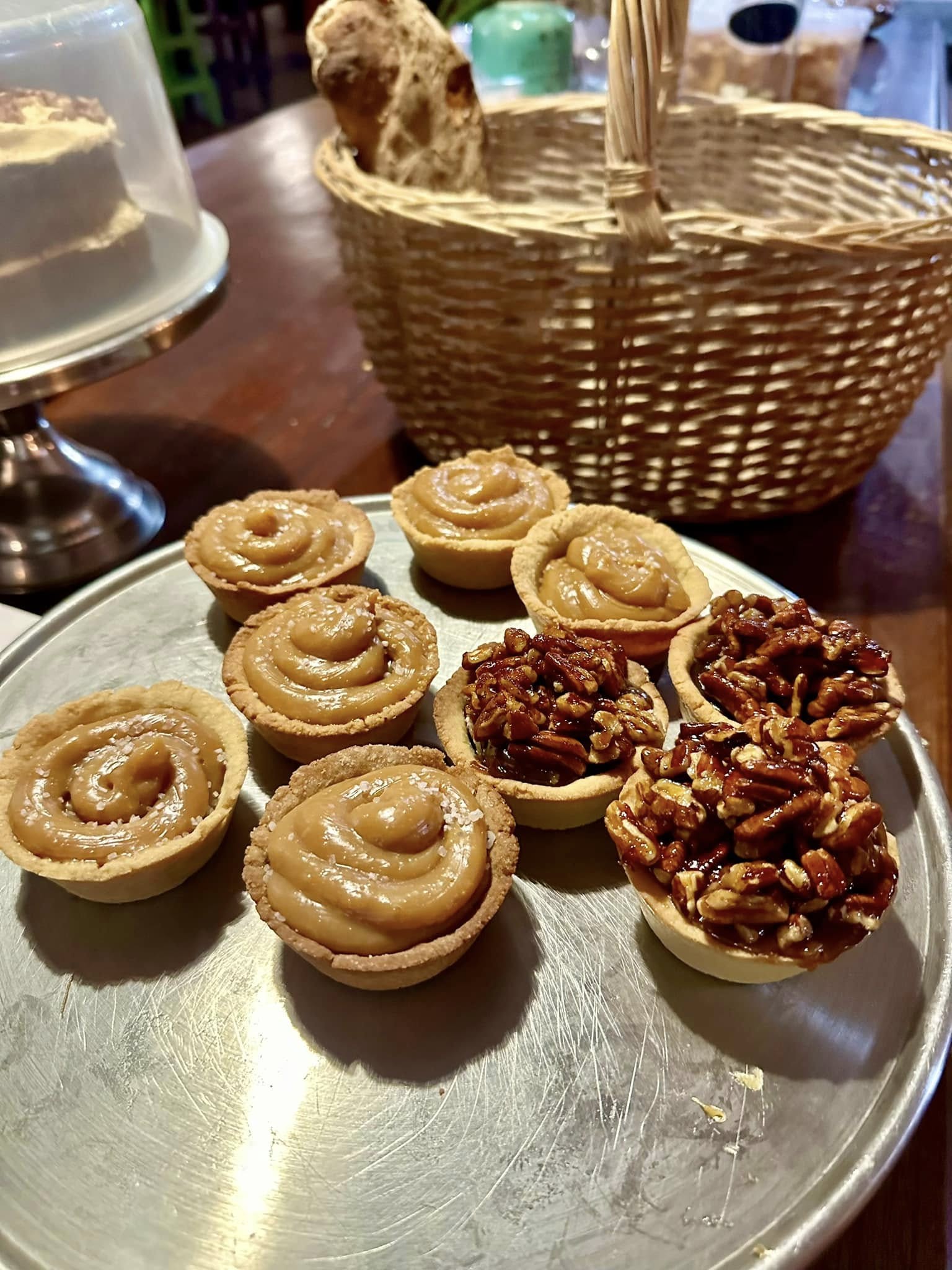
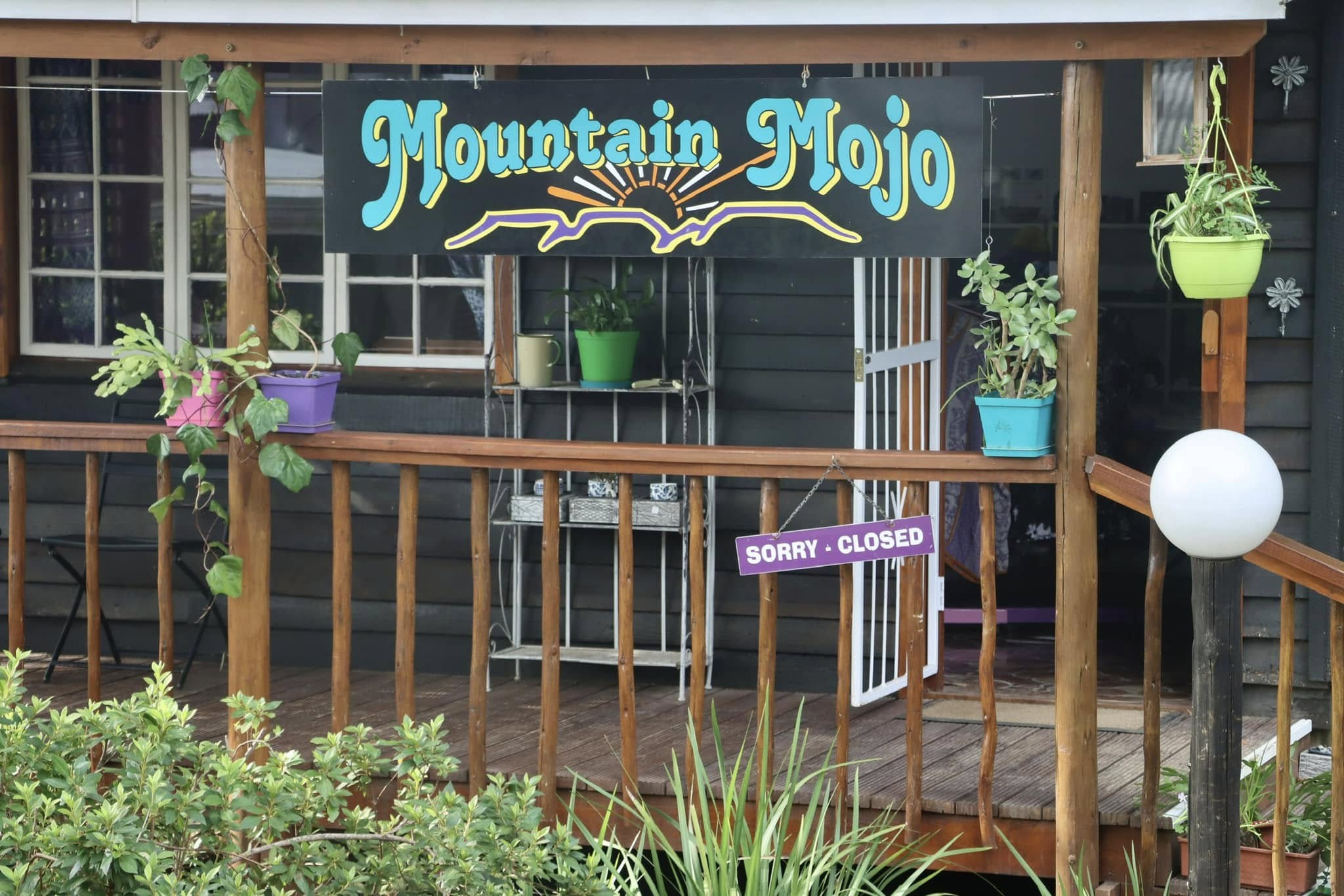
The Coffee Shop on the main street is exactly what every small town needs. Excellent coffee, and if you walk through to the attached chocolate and fudge shop, you won't regret it. The Hogshead Tavern is the kind of pub you want to settle into for a long session. We only passed through on the way out, which I regret. The local brewery was closed when we visited — a good excuse to go back. Mountain Mojo is worth a stop for a Hogsback map and a fridge magnet.
The Tolkien Question
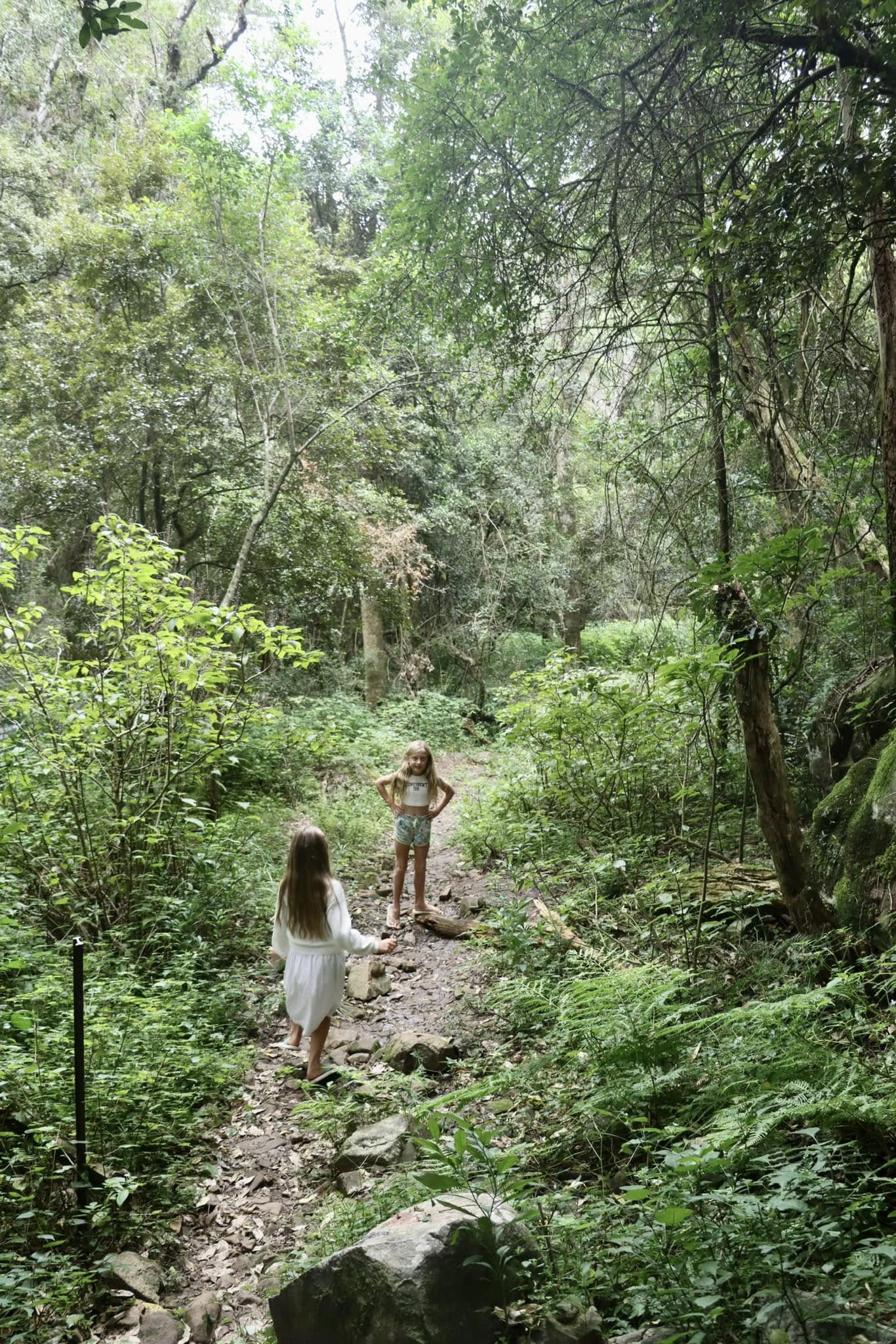
Hogsback's forests are widely said to have inspired J.R.R. Tolkien's Mirkwood in The Lord of the Rings. I've also read that Tolkien left South Africa at a very young age, which complicates the story. What I can say is that the forests here look the part. Whether the connection is direct or not, Hogsback as Middle Earth isn't the worst nickname a village could earn.
One More Thing
We brought our young twins, Issa and Mads (Isabella and Madison), who were real sports throughout — always up for an adventure and never intimidated by a long hike. In winter, there's the promise of snow. Young and old, adventurous or just looking for a few peaceful days, Hogsback delivers.
Hogsback's own website describes it as a place that soothes the spirit and rejuvenates the soul. I'm not usually moved by tourism copy, but in this case they've got it right. If you've been, you're probably already planning to go back. If you haven't, put it on the list.
Join the Community
200,000+ South Africans already in the Facebook group. Weekly small-town stories, road trip tips, and hidden gems.